
Healthy teeth come down to a few consistent habits: brushing twice a day with fluoride toothpaste, flossing daily, eating a tooth-friendly diet, and seeing your dentist regularly. Together, these habits prevent the two most common threats to your smile — cavities and gum disease.
No single trick keeps teeth healthy on its own. It’s the combination of daily care and professional support that makes the difference. Below are eight practical, dentist-backed ways to protect your teeth, plus answers to the questions people ask most often about oral health.
Why Healthy Teeth Matter
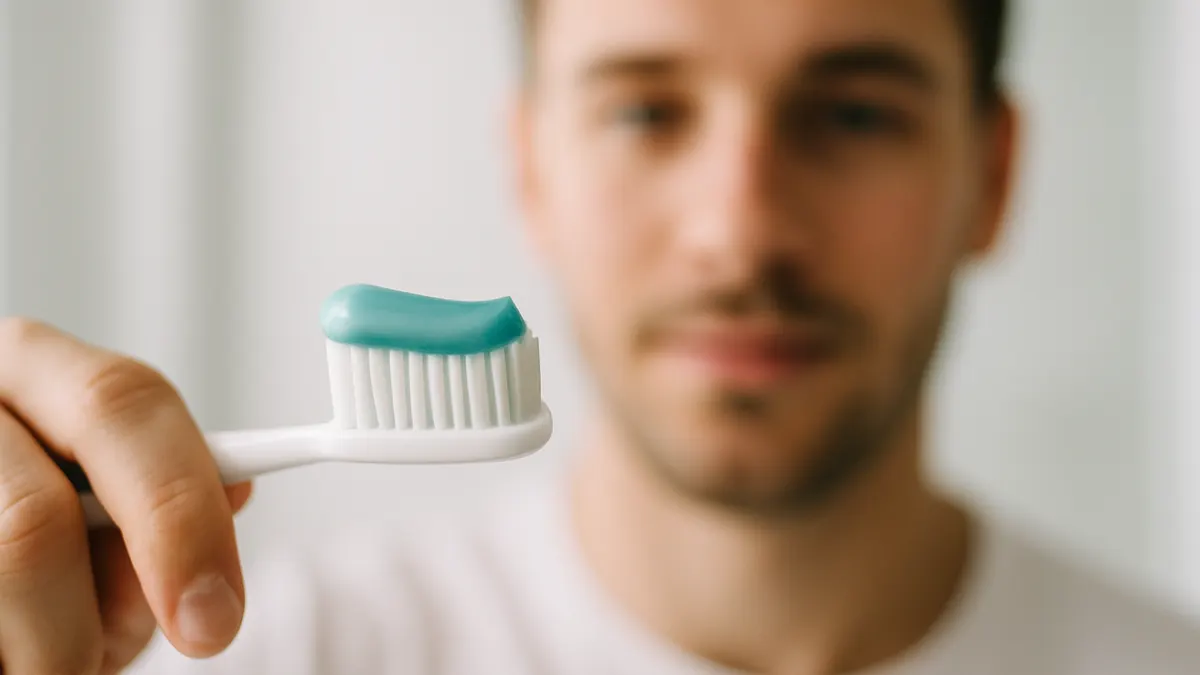 Healthy teeth let you chew comfortably, speak clearly, and avoid pain that interferes with eating and sleeping. Oral health is also tied to overall health — the CDC notes that untreated gum disease and mouth infections have been linked to other health concerns, including heart and diabetes-related complications. Most dental problems develop slowly and painlessly at first, which is why prevention is far easier, and less expensive, than treatment.
1. Brush Twice a Day the Right Way
The American Dental Association (ADA) recommends brushing for two minutes, twice a day, with fluoride toothpaste and a soft-bristled brush. How you brush matters as much as how often:
- Angle the brush about 45 degrees toward the gumline, not straight at the tooth surface.
- Use short, gentle strokes — aggressive scrubbing wears down enamel and irritates gums.
- Replace your toothbrush (or brush head) every three to four months, or sooner if bristles fray.
- Brush your tongue too, since bacteria collects there and contributes to bad breath.
If you’re unsure about your technique, ask your dentist to check it at your next visit.
2. Clean Between Your Teeth Daily
Brushing can’t reach the tight spaces between teeth, where many cavities and gum problems start. The ADA recommends cleaning between teeth once a day with floss, floss picks, or interdental brushes — whichever tool you’ll use consistently. A water flosser works well too if traditional floss feels awkward.
Gums often bleed slightly when you first start flossing; this usually settles within a week or two as inflammation improves. Bleeding that continues is worth mentioning to your dentist, since it can signal early gum disease — our post on what causes bleeding gums and which tools help covers this in more depth.
3. Limit Sugary and Acidic Foods and Drinks
Bacteria in your mouth feed on sugar and produce acid that erodes enamel — the main way cavities form. Frequent sipping or snacking is often more damaging than eating the same sugar at one sitting, since it keeps your mouth acidic for longer.
- Drink soda, juice, or sports drinks with a meal instead of sipping slowly for hours.
- Choose water between meals when you’re thirsty.
- Rinse with water after sugary or acidic food if you can’t brush right away.
- Wait a bit before brushing after acidic foods (like citrus), since acid temporarily softens enamel.
4. Drink Plenty of Water
Water rinses away food particles and bacteria and keeps saliva flowing, which naturally neutralizes acid and helps repair early enamel damage. Where available, fluoridated tap water adds extra protection — the CDC recognizes community water fluoridation as an effective way to reduce decay. Fluoride levels vary by municipality, so check with your local provider or dentist if you’re unsure.
5. Don’t Skip Regular Checkups and Cleanings
Professional cleanings remove hardened plaque (tartar) that brushing and flossing can’t touch, and checkups let your dentist catch small issues before they become painful or expensive. Most people benefit from a checkup and cleaning every six months, though your dentist may suggest a different schedule based on your personal risk for cavities or gum disease.
6. Protect Your Teeth From Physical Damage
Grinding, clenching, and impact injuries are common causes of cracked or worn teeth. A few precautions:
- Wear a properly fitted mouthguard for contact sports.
- Ask your dentist about a nightguard if you grind your teeth (bruxism), which is often spotted from wear patterns during an exam.
- Avoid using teeth to open packages or tear tape.
- Go easy on very hard foods like ice, a common cause of chipped teeth.
Grinding can happen without you noticing, especially during sleep, so a dental exam is often how it first gets identified.
7. Ask About Sealants and Fluoride Treatments
Dental sealants — a thin coating applied to the chewing surfaces of back teeth — lower cavity risk in the deep grooves where brushing struggles to reach, and are commonly used for children and teens, though some adults benefit too. Professional fluoride treatments applied during a visit can strengthen enamel beyond what toothpaste provides alone. Whether either makes sense for you depends on age, cavity risk, and history, so ask your dentist directly.
8. Address Problems Early Instead of Waiting
Sensitivity, a lingering ache, a chip, or a change in your bite are signals worth acting on quickly. Left untreated, a small cavity can reach the tooth’s nerve and require a root canal instead of a simple filling. A chipped tooth caught early may be fixable with dental bonding, but may need more involved work later. Acting early is almost always simpler and less costly than waiting.
A Helpful Next Step for Your Smile
Good daily habits go a long way, but they work best alongside professional care that catches what home routines miss. If it’s been more than six months since your last visit, or you’ve noticed sensitivity or changes in your bite, it may be time to compare your options with a dentist.
Whether you’re interested in routine cleaning, teeth whitening, veneers, Invisalign, or dental implants, a conversation with a qualified dental team can help you find your best next step.
We’re glad to serve patients throughout Richboro, Bensalem, Bucks County, Holland, Southampton, Horsham, Newtown and Langhorne, helping families keep their teeth healthy for years to come.
Frequently Asked Questions
There isn’t just one — brushing, flossing, diet, and regular visits work together. Twice-daily brushing with fluoride toothpaste combined with daily flossing addresses the two biggest causes of problems: plaque buildup and acid production.
Most people benefit from a checkup and cleaning every six months. Those with gum disease or a high cavity rate may need more frequent visits, while others may be told they can go slightly longer. Your dentist can recommend a schedule based on your history.
Often, yes. An exam can identify what’s treatable — plaque buildup, mild gum inflammation, and early decay usually respond well to care. More advanced damage may need restorative treatment, but starting now generally improves your outlook.
Not strictly required, but a fluoride or antibacterial rinse can be a helpful addition for some people. It should support brushing and flossing, not replace either one.
Yes. Frequent exposure to sugar and acid is a leading contributor to cavities and enamel erosion, and how often you eat these foods tends to matter more than the total amount.
Light bleeding when starting a more thorough routine is common and often improves within a week or two. Bleeding that persists or worsens can signal gum disease and is worth a dental evaluation.