
Preventative dental care means the daily habits and routine professional visits that stop tooth decay, gum disease, and other oral health problems before they start. In short: brushing twice a day with fluoride toothpaste, cleaning between your teeth daily, limiting sugary snacks, and seeing your dentist regularly form the foundation of a healthy mouth, along with everyday habits that keep your smile healthy between visits. This article covers practical preventative dental care tips, explains why each one matters, and answers common questions about dental preventive care.
Why Preventative Dental Care Matters
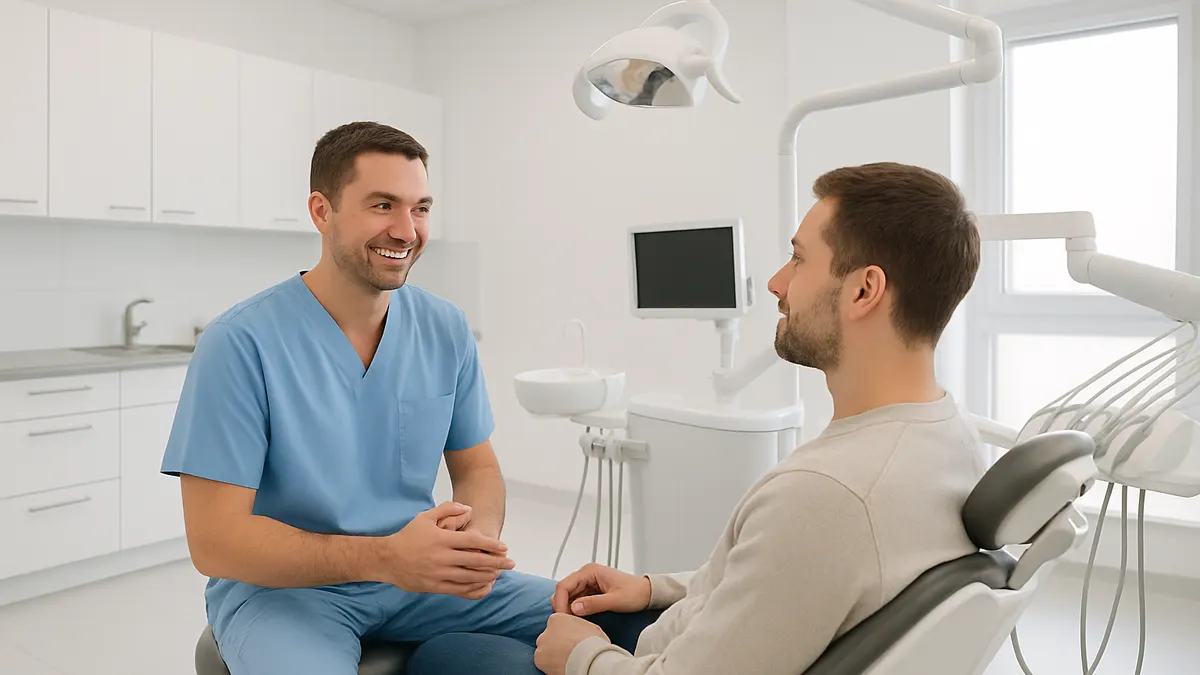 Most dental problems, including cavities and gum disease, develop slowly and are far easier to stop early than to treat later. Plaque, a sticky film of bacteria, builds up on teeth constantly, and left alone it can lead to decay, inflamed gums, and eventually more serious issues like infection or tooth loss that may require replacement.
Catching problems early is also simpler and less invasive. A small cavity found at a routine checkup may only need a filling, while one left untreated for months can progress to needing root canal treatment or extraction. That’s why dentists emphasize daily hygiene and regular visits, rather than treating dental care as something to think about only when something hurts.
Daily Preventative Dental Care Tips
These home habits, based on American Dental Association (ADA) guidance, form the core of any solid preventive routine.
Brush twice a day, the right way. Brush for about two minutes each time with fluoride toothpaste, using a soft-bristled brush and gentle, circular motions rather than hard scrubbing, which can wear down enamel over time. Don’t forget your tongue, where bacteria collect too.
Clean between your teeth daily. Flossing (or another interdental cleaner) removes plaque and food particles from between teeth and along the gumline, areas a toothbrush can’t reach. Skipping this leaves roughly a third of each tooth’s surface uncleaned, often where cavities and gum irritation begin. This step matters even more if you have crowded or overlapping teeth that are harder to clean thoroughly. Floss picks, water flossers, and interdental brushes all work well if used consistently.
Use fluoride. Fluoride strengthens tooth enamel and makes teeth more resistant to decay. Fluoride toothpaste is the easiest daily source, and fluoridated water, where available, adds another layer of protection.
Watch your diet. Frequent snacking on sugary or starchy foods gives mouth bacteria more fuel to produce cavity-causing acid, and dark drinks like coffee, tea, and soda can gradually dull enamel, something professional whitening can address later but prevention avoids in the first place. Water, cheese, and vegetables are gentler choices than candy or chips.
Avoid tobacco products. Smoking and other tobacco use are strongly linked to gum disease, staining, slower healing after dental work, and oral cancer.
Replace your toothbrush regularly. A worn brush cleans less effectively. Most dentists recommend replacing your toothbrush, or an electric brush head, every three to four months.
Professional Dental Preventive Care
Home habits handle daily maintenance, but professional care catches what a toothbrush and floss can’t.
Routine checkups and cleanings let your dentist spot early signs of decay or gum disease, often before symptoms appear, and remove hardened plaque (tartar) that brushing can’t. How often you need to go varies: some do well every six months, while others at higher risk may need more frequent visits. If it’s been a while, reviewing why regular check-ups and cleanings matter is a good place to start before booking with a dentist near you.
Dental X-rays help dentists see decay between teeth, below the gumline, or under existing fillings or crowns that aren’t visible during a standard exam. Frequency depends on your age, risk factors, and history.
Fluoride treatments and sealants. In-office fluoride treatments deliver a higher concentration than toothpaste. Sealants, a thin coating applied to the chewing surfaces of back teeth, are commonly used for children but can also help adults with deep grooves where decay starts.
Screening for other conditions. Routine visits often include checks for gum disease and oral cancer, and early detection generally means simpler treatment.
Common Mistakes That Undermine Preventative Care
A few habits quietly reduce how effective home care actually is:
- Brushing too hard. More pressure doesn’t mean cleaner teeth; it can wear enamel and cause gums to recede.
- Skipping the dentist when nothing hurts. Many problems don’t cause pain until they’ve progressed, so waiting for symptoms often means waiting too long. If dental anxiety is the real reason for skipping visits, asking about sedation options for nervous patients can make appointments far more manageable.
- Rinsing right after brushing. This washes away the concentrated fluoride left on your teeth. Spit out excess toothpaste instead.
- Ignoring bleeding gums. This is often an early sign of gum inflammation, and understanding what healthy gums should look like can help you catch a problem early rather than dismissing it as a sign of brushing too hard.
What Does Preventative Dental Care Cost?
Costs vary by location, insurance coverage, and the specific services involved. Many dental insurance plans cover routine cleanings and checkups at little to no out-of-pocket cost, since insurers generally view prevention as more cost-effective than treating advanced problems later, a point covered in more detail in this look at how preventive care saves time, money, and discomfort. X-rays, fluoride treatments, or sealants may be partially covered or billed separately, and cosmetic work like bonding or veneers is typically considered elective and priced separately from preventive care. People without insurance can often ask about membership plans that make routine care more affordable. Because pricing differs by provider, it’s best to check with your insurer or a local dental office for current rates.
Simple Habits That Protect Your Smile
Preventative dental care isn’t complicated, but it does take consistency. Brushing twice daily, flossing, watching your diet, and keeping up with dental visits together do most of the work in protecting your smile, and catching problems early usually means simpler, more comfortable treatment.
Schedule Your Next Preventive Visit
Everyone’s mouth is a little different, and the right routine depends on your dental history, diet, and any existing gum or tooth concerns. If it’s been a while since your last cleaning, consider scheduling a preventive checkup to review your oral health and get guidance tailored to you.
Patients throughout Richboro, Bensalem, Bucks County, Holland, Southampton, Horsham, Newtown and Langhorne can find local dental offices offering preventive checkups and cleanings. Availability and pricing vary by office, so it’s best to contact a provider near you to confirm details.
Frequently Asked Questions
Most people benefit from a checkup and cleaning every six months, though this varies. Someone with a history of gum disease or frequent cavities may need to visit more often.
Preventative care stops problems before they start, such as cleanings and checkups. Restorative care treats problems that have already occurred, such as fillings, crowns, or root canals. Strong preventative habits generally reduce how much restorative work you need.
Yes. Brushing doesn’t reach the surfaces between your teeth, where plaque commonly builds up, so daily flossing helps prevent cavities and gum irritation there.
As soon as a child’s first tooth appears; the ADA recommends children see a dentist by their first birthday.
Both work well when used correctly. Electric brushes can make it easier to brush the full two minutes, but technique matters more than the type of brush.