
Do you wake up with a sore jaw, dull headaches, or teeth that feel strangely sensitive? You might be grinding your teeth at night without even realizing it. Bruxism — the clinical term for teeth grinding or clenching — is far more common than most people think, affecting millions of Americans of all ages. The good news is that once it is identified, there are highly effective ways to manage and treat it. At Miracle Dental, we help patients throughout Feasterville and the surrounding communities take control of their oral health, starting with understanding exactly what is happening and why.
What Is Bruxism?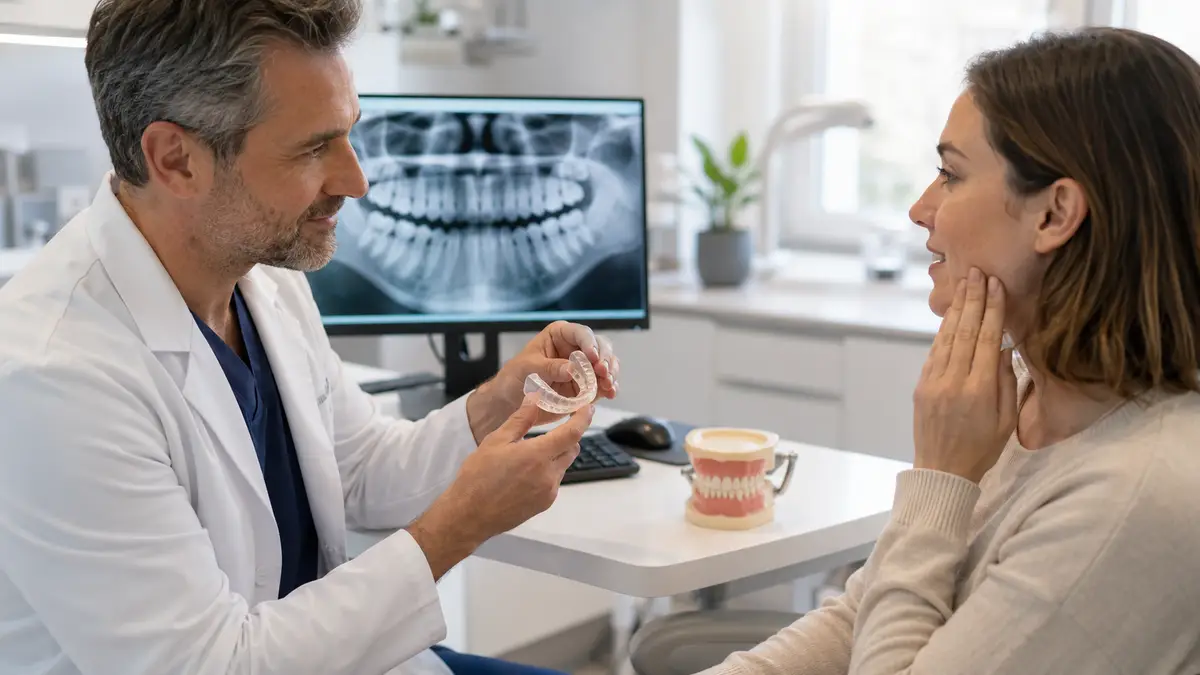
Bruxism is the involuntary grinding, clenching, or gnashing of teeth. It can happen during the day (awake bruxism) or, more commonly, during sleep (sleep bruxism). Because sleep bruxism occurs unconsciously, many people do not know they have it until a partner mentions the sound — or until their dentist spots the telltale signs of worn enamel during a routine checkup.
Left untreated, chronic grinding can cause serious and lasting damage: cracked or fractured teeth, enamel erosion, jaw disorders, chronic headaches, and even tooth loss that may require restorative intervention. The sooner bruxism is caught and addressed, the better the long-term outcome for your smile.
It is worth noting that enamel erosion from chronic grinding can also affect the longevity of cosmetic work. If you have invested in professional whitening, our blog on keeping your smile bright after whitening treatment explains why protecting enamel integrity is just as important as avoiding staining foods.
Common Causes of Teeth Grinding
Bruxism does not have a single cause. Instead, it tends to result from a combination of physical, psychological, and lifestyle factors:
- Stress and anxiety: This is the most frequently cited trigger. When stress goes unmanaged, the body often holds tension in the jaw — especially overnight.
- Sleep disorders: Conditions like sleep apnea, snoring, and restless leg syndrome are closely linked to nighttime teeth grinding. Treating the underlying sleep issue often helps reduce bruxism.
- Bite misalignment: When teeth do not come together properly, it can cause the jaw to compensate — sometimes through grinding or clenching. Emerging wisdom teeth that shift surrounding teeth are a common contributing factor.
- Certain medications: Antidepressants and other psychiatric medications have been associated with an increased risk of bruxism as a side effect.
- Stimulants: Caffeine, alcohol, tobacco, and recreational drug use can all heighten muscle activity and disrupt sleep quality, both of which contribute to grinding.
- Genetics: Bruxism tends to run in families, suggesting there may be a hereditary component.
One underappreciated cause of bite misalignment is the eruption or impaction of wisdom teeth, which can shift surrounding teeth and alter how your jaw closes. Our guide on whether wisdom teeth really need to come out covers the signs that third molars may be affecting your overall bite health.
Signs and Symptoms You Should Not Ignore
Many people with sleep bruxism have no idea they grind their teeth. Here are the warning signs that something may be off:
- Waking up with jaw pain, tightness, or fatigue
- Frequent morning headaches, especially around the temples
- Tooth sensitivity to hot, cold, or pressure
- Flattened, chipped, or visibly worn tooth surfaces
- Cracked or fractured enamel
- Clicking or popping sounds in the jaw (TMJ dysfunction)
- Earaches or facial soreness without an obvious cause
- Noticeable indentations along the inside of the cheeks or tongue
If any of these symptoms sound familiar, it is worth having them evaluated promptly. Our dentists are experienced in identifying the early and advanced signs of bruxism — often before significant structural damage has occurred. You can also explore our preventative care services to understand how routine visits help catch these issues early.
How Is Bruxism Diagnosed?
There is no single lab test for bruxism. Diagnosis is based on a combination of your reported symptoms, clinical examination findings, and sometimes input from a sleep specialist. During your visit, your dentist will:
- Examine your teeth for signs of wear, cracking, or unusual flattening
- Assess your jaw joint and surrounding muscles for tenderness or dysfunction
- Review your medical history, including medications and whether you have a diagnosed sleep disorder
- Ask about your stress levels, sleep patterns, and lifestyle habits
In some cases, a referral for a sleep study may be recommended, particularly if sleep apnea is suspected. Our routine dental cleaning and checkup visits are also an excellent opportunity to monitor any early grinding-related changes between appointments.
Best Treatment Options for Teeth Grinding
The right treatment plan depends on what is causing your bruxism, how severe it is, and whether any damage has already occurred. Here is an overview of the most effective approaches:
Custom Night Guards
A custom-fitted occlusal splint (night guard) is typically the first line of defense. Worn while sleeping, it creates a protective barrier between your upper and lower teeth, absorbing the force of grinding and preventing further enamel damage. Unlike generic store-bought versions, a professionally made night guard is molded to your exact bite for optimal comfort and effectiveness.
If grinding has already caused significant wear or cracks, dental crowns may be recommended to restore damaged teeth and protect them going forward.
Stress Reduction and Behavioral Approaches
Since stress is the most common trigger, managing it is essential. Your care team may recommend mindfulness exercises, physical therapy for the jaw, cognitive behavioral therapy (CBT), or biofeedback training — techniques that help you become more aware of jaw tension and consciously release it.
Addressing Sleep Disorders
If sleep apnea or another sleep condition is contributing to your bruxism, treating that underlying issue can significantly reduce or even eliminate the grinding. Patients who experience dental anxiety alongside sleep-related clenching may also benefit from exploring sedation dentistry options for a more comfortable care experience overall.
Bite Correction
If misalignment is a factor, orthodontic treatment or selective tooth reshaping may be recommended to help your teeth meet more naturally. Correcting the bite eliminates the mechanical trigger that prompts the jaw to grind.
Botox for Jaw Clenching
In cases of severe or persistent jaw clenching, therapeutic Botox injections into the masseter muscle can provide significant relief. By temporarily reducing the intensity of muscle contractions, Botox helps break the cycle of chronic clenching without affecting normal chewing or speaking. Ask our team whether this option makes sense for your situation.
When Bruxism Has Already Caused Damage
For patients who have been grinding for years, the damage may already be visible — and it goes well beyond aesthetics. Worn-down teeth are weaker, more vulnerable to fractures, and more susceptible to decay. Depending on the extent of damage, restorative options may include composite bonding, porcelain veneers, crowns, or — in cases of advanced tooth loss — dental implants in the Southampton area. Our team will help you understand your options clearly so you can make confident, informed decisions.
When grinding has led to widespread tooth damage or loss, full-mouth restoration may become necessary. Our blog on understanding dentures and who they are right for is a helpful starting point if you are exploring more comprehensive restorative options.
For patients facing significant tooth loss as a result of years of untreated grinding, implant-supported full-arch solutions may offer a life-changing outcome. Our detailed guide on what to expect with full-arch implant restoration walks through the process, recovery, and results — so you can go into your consultation fully informed.
Can Bruxism Be Prevented?
While there is no guaranteed way to prevent bruxism entirely, the following habits can significantly reduce your risk:
- Limit caffeine and alcohol, especially in the evening
- Establish a consistent bedtime routine that promotes restful sleep
- Practice stress management techniques such as yoga, meditation, or journaling
- Avoid chewing gum or hard objects habitually, as these reinforce jaw muscle overuse
- Attend regular dental checkups so any early signs of grinding are caught before they progress
Serving Patients Across the Greater Feasterville Area
Miracle Dental is proud to serve patients from throughout the region, including Levittown, Willow Grove, Langhorne, Holland, Richboro, and Newtown. Whether you are just beginning to notice signs of grinding or have been dealing with bruxism for years, our team is here to help with a personalized plan that fits your life and protects your smile for the long term.
Ready to take the next step? Contact our office or book an appointment online today. We look forward to being your partner in lasting oral health.
Frequently Asked Questions About Teeth Grinding (Bruxism)
Occasional grinding — such as during a particularly stressful week — is generally not a major concern. However, if it becomes chronic, it can cause progressive enamel loss, jaw pain, and structural tooth damage. Symptoms persisting for more than a few weeks are worth evaluating with your dentist.
Yes. Bruxism is fairly common in children, particularly during periods of new tooth eruption. Most children outgrow it by the time their permanent teeth come in. If a child grinds frequently or shows signs of jaw pain or disrupted sleep, a dental visit is recommended.
A night guard protects your teeth from further damage but does not address the underlying cause of grinding. Think of it as a protective measure while you work on root causes such as stress, sleep disorders, or bite issues. For most patients, a combination of a night guard and behavioral changes produces the best long-term results.
Common clues include waking up with jaw soreness, headaches, or a feeling of fatigue in the jaw muscles. A partner may also hear the grinding sound during the night. During a dental exam, your dentist can often identify physical evidence of grinding — including worn tooth surfaces — even if you are not aware of any symptoms.
For some people, especially those whose grinding is primarily stress-driven, managing stress through therapy, exercise, and relaxation techniques can lead to a meaningful reduction in grinding. For others, additional interventions such as a night guard or bite correction are also necessary. The most effective approach is usually a personalized combination of strategies.
When administered by a trained professional, therapeutic Botox injections for jaw clenching are considered safe and effective. The treatment temporarily relaxes the overactive jaw muscles without affecting normal function. Results typically last three to six months and can be repeated as needed.