
Wisdom teeth have a reputation for being troublemakers, and for good reason. But not every set of third molars is destined for the extraction chair. If you’ve been told you have wisdom teeth coming in—or if your jaw has been aching lately—it’s natural to wonder whether removal is really necessary.
The short answer? It depends. Some wisdom teeth erupt cleanly and never cause a single problem. Others become impacted, infected, or simply run out of room. Knowing the difference can save you from unnecessary procedures—or from ignoring a problem that will get worse over time.
Here’s a clear, fact-based guide to help you understand what wisdom teeth are, when they need to go, and when your dentist might say they’re just fine.
What Are Wisdom Teeth, Exactly?
Wisdom teeth are your third molars—the last four permanent teeth to come in, typically appearing between the ages of 17 and 25. They sit at the very back of your mouth, two on top and two on the bottom.
Thousands of years ago, our ancestors needed these extra molars to grind down tough, raw foods. Today, with softer diets and better dental hygiene, most people’s jaws simply don’t have enough room for them. That’s where the problems begin.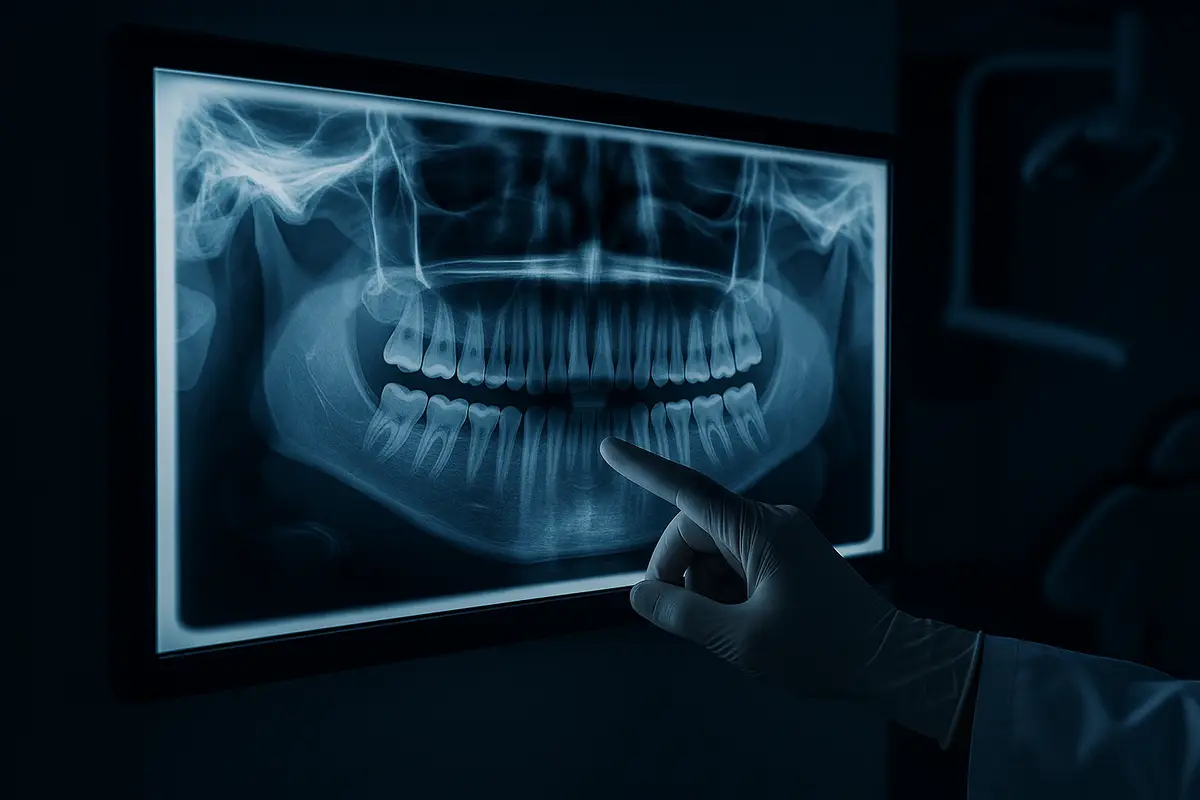
Not Everyone Needs Their Wisdom Teeth Removed
It’s a common misconception that wisdom teeth always have to come out. In reality, extraction is not automatically necessary. According to dental guidelines, removal is only recommended when there is a clear clinical reason—not simply because the teeth exist.
Your dentist will typically monitor wisdom teeth with routine X-rays and oral exams. If they’re erupting properly, there’s enough room in your jaw, and they’re not causing any crowding, infection, or pain, a watch-and-wait approach may be perfectly appropriate.
Keeping your wisdom teeth in good shape means staying on top of your routine preventive care and exams so problems can be caught before they escalate.
Warning Signs That Your Wisdom Teeth May Need to Come Out
While monitoring is appropriate for asymptomatic wisdom teeth, there are clear red flags that signal it’s time to act. Here’s what to watch for:
1. Pain and Pressure at the Back of Your Jaw
Dull aching or throbbing at the back of the mouth is often one of the first signs something is off. This is commonly caused by a wisdom tooth pushing against the second molar or trying to break through tissue that doesn’t have enough room.
2. Impaction (Tooth Stuck Under the Gumline)
An impacted wisdom tooth is one that can’t fully erupt because it’s blocked by bone, other teeth, or soft tissue. Impacted teeth can grow at odd angles—horizontal, diagonal, or even facing backward. If left untreated, impacted wisdom teeth can damage neighboring teeth, contribute to cyst formation, and become chronically infected.
3. Recurring Infections or Gum Disease Around the Area
Partially erupted wisdom teeth create a small flap of gum tissue called an operculum. Food and bacteria accumulate underneath it, leading to a condition called pericoronitis. Signs include swollen, red gums, foul taste, difficulty opening your mouth, and sometimes fever. This can become recurrent and even spread to the throat if untreated.
If you’re dealing with chronic gum issues in that area, it may be worth exploring professional gum therapy options alongside any extraction discussion.
4. Crowding and Shifting of Other Teeth
When wisdom teeth push forward, they can put pressure on your existing teeth and cause them to shift out of alignment. This is particularly concerning for patients who have already completed orthodontic treatment, as it can undo years of work.
5. Decay in the Wisdom Tooth or Adjacent Molar
Wisdom teeth are notoriously hard to clean because of where they sit. Even with excellent brushing habits, a toothbrush often can’t reach the second and third molars properly. This makes them vulnerable to decay—and cavities in partially erupted teeth can spread to the adjacent second molar. If decay reaches the point where a filling won’t solve the problem, extraction becomes the right call.
When It’s Okay to Keep Your Wisdom Teeth
Healthy wisdom teeth that meet all of the following criteria are generally fine to keep:
- They have fully erupted without complication
- They are positioned correctly and bite properly with opposing teeth
- They are not causing crowding or pressure on adjacent molars
- You can clean them effectively as part of your daily oral hygiene routine
- There is no sign of infection, decay, or gum disease around them
Even then, your dentist will want to keep a close eye on them over the years. Wisdom teeth that are trouble-free at 22 may become problematic at 35 due to changes in bone density, gum recession, or other factors.
What Your Dentist Looks for on X-Rays and Exams
Your dentist uses panoramic or periapical X-rays to assess your wisdom teeth long before symptoms appear. They’re evaluating several key things:
- The angle and position of each tooth below the gumline
- The proximity of the roots to the inferior alveolar nerve (particularly relevant in the lower jaw)
- How much space is available in the arch for the tooth to erupt properly
- Whether any cysts or bone changes are present around the tooth follicle
- Signs of early decay on the distal (back) surface of the second molar
This is why staying current with your dental checkups is so important. A dentist who knows your oral history is in the best position to make a truly personalized recommendation, not a one-size-fits-all one.
Patients throughout the area—from Langhorne to Horsham and Richboro—trust the experienced team at Miracle Dental Center. If you are searching for the Best Dentist In Montgomery County, PA, and Bucks County residents, our nearby Feasterville-Trevose office is perfectly located to provide honest, exam-based guidance on third molar concerns.
What Happens If You Delay or Skip Extraction When It’s Needed?
Choosing to wait when your dentist has flagged a problem wisdom tooth can lead to a cascade of complications, including:
- Spreading infection that can reach adjacent teeth, the jawbone, or even the throat
- Damage to the roots of the second molar, which may then require a root canal or crown
- Cyst development around the impacted tooth that can destroy bone tissue over time
- Permanent nerve damage if extraction is delayed too long and roots grow deeper toward the nerve canal
- Increased difficulty of the extraction procedure itself, since younger patients heal faster and roots are less fully formed
Early intervention is almost always easier, faster, and less expensive than dealing with the downstream effects of waiting.
Wisdom Teeth, Adjacent Tooth Damage, and What Comes Next
One of the more overlooked risks of problematic wisdom teeth is what happens to the teeth next door. When a wisdom tooth is impacted and pressing against the second molar, it can cause resorption of that tooth’s root—essentially the jaw absorbing its own healthy tooth from pressure alone.
In some cases, if the adjacent molar sustains enough damage, it may require a root canal treatment or even extraction itself. If multiple teeth are lost due to untreated wisdom tooth complications, tooth replacement becomes necessary.
For patients who do lose a tooth as a result of these complications, our team provides access to some of the Best Dental Implants in Montgomery County PA , area patients. This is often the gold standard for long-term replacement, restoring both function and aesthetics without compromising surrounding teeth.
Does Age Matter When It Comes to Wisdom Tooth Extraction?
Yes, significantly. Younger patients—generally those in their late teens and early twenties—tend to have better outcomes with wisdom tooth extractions for several reasons:
- The roots are not yet fully formed, making extraction less complex
- Bone is more flexible, which typically leads to easier recovery
- Healing time is generally shorter
- There is less risk of complications like dry socket and infection
That said, plenty of adults in their thirties, forties, and even beyond successfully have wisdom teeth removed without complications. If your dentist recommends extraction and you’ve been putting it off, don’t let age be the reason you wait further.
Understanding the Different Types of Impaction
Not all impacted wisdom teeth are the same. Dentists classify impaction based on position:
- Vertical impaction: The tooth is upright but hasn’t fully erupted. It may or may not need removal depending on whether there’s space.
- Horizontal impaction: The tooth is lying on its side pressing directly into the root of the second molar. This almost always requires extraction.
- Mesial impaction: The tooth angles forward toward the front of the mouth. Very common and often requires removal.
- Distal impaction: The tooth angles toward the back of the mouth. Less common and sometimes monitored before a decision is made.
Whether impacted teeth are partially or fully submerged in bone also affects the complexity of the procedure, which is why imaging is so essential before any recommendation is made.
Keeping Up with Your Full Oral Health
Wisdom tooth care is just one piece of the overall oral health puzzle. Staying ahead of problems means being informed and proactive. A few related topics worth exploring:
If you’re unsure whether a tooth can be saved or needs to be replaced, understanding the warning signs that may indicate the need for a root canal can help you make a more informed decision when you meet with your dentist.
And if you’ve been avoiding the dentist for a while, it’s worth knowing what to expect at your first dental appointment so you can walk in feeling prepared instead of anxious.
For those already dealing with tooth loss from any cause, comparing dental implants and dentures is a smart starting point before committing to any replacement option.
Finally, if regular checkups have fallen off your radar, understanding how preventive care saves you time, money, and discomfort is a compelling read.
Frequently Asked Questions
Yes. Many impacted or problematic wisdom teeth cause no pain at all in their early stages. Damage to neighboring teeth, early decay, and cyst formation can all develop silently. This is why regular X-rays and dental exams are essential—your dentist can identify problems before they cause symptoms.
Impaction is diagnosed through dental X-rays. Some symptoms that may suggest impaction include pain at the back of the jaw, swollen or red gums behind the last molar, bad taste or odor in the mouth, and difficulty opening the jaw. However, a definitive diagnosis requires imaging.
The procedure itself is performed under local anesthesia, so you shouldn’t feel sharp pain during the extraction. Afterward, there is typically some soreness, swelling, and discomfort for a few days, which is managed with over-the-counter pain relievers or prescribed medication. Most patients recover fully within a week to ten days.
Most wisdom teeth begin erupting between ages 17 and 25. Problems often surface during this window, though some people don’t experience issues until their late twenties or even thirties. There is no universal age—monitoring through regular dental visits is the best strategy.
If your wisdom teeth are healthy, fully erupted, and properly positioned, nothing may happen at all. But if they’re impacted or creating issues and go untreated, the risks include infection, bone loss, damage to adjacent teeth, cyst formation, and worsening crowding. Your dentist will advise based on your specific situation.
Final Thoughts
Wisdom teeth are not an automatic dental crisis. But they do require attention, monitoring, and honest evaluation by a qualified dentist who understands your full oral health picture. Some people sail through their twenties without an issue. Others need intervention sooner.
The key takeaway: don’t let fear or assumption drive the decision. Get the facts, get the X-rays, and work with a dentist you trust to make the right call for your mouth—not the general average.