
Yes, teeth whitening is generally safe for most healthy adults when it is performed or supervised by a dental professional. The most common side effects are temporary tooth sensitivity and mild gum irritation, and both usually fade soon after treatment. Risks go up when whitening is used on teeth with untreated cavities, gum disease, or cracks, or when store-bought products are overused.
That is why an exam comes first. A dentist can check your enamel, gums, and existing dental work before recommending anything. If you live in Southampton or elsewhere in Bucks County and are weighing a brighter smile, this guide explains how whitening works, which side effects to expect, who should wait, and how to lower your risk.
How Does Teeth Whitening Work?
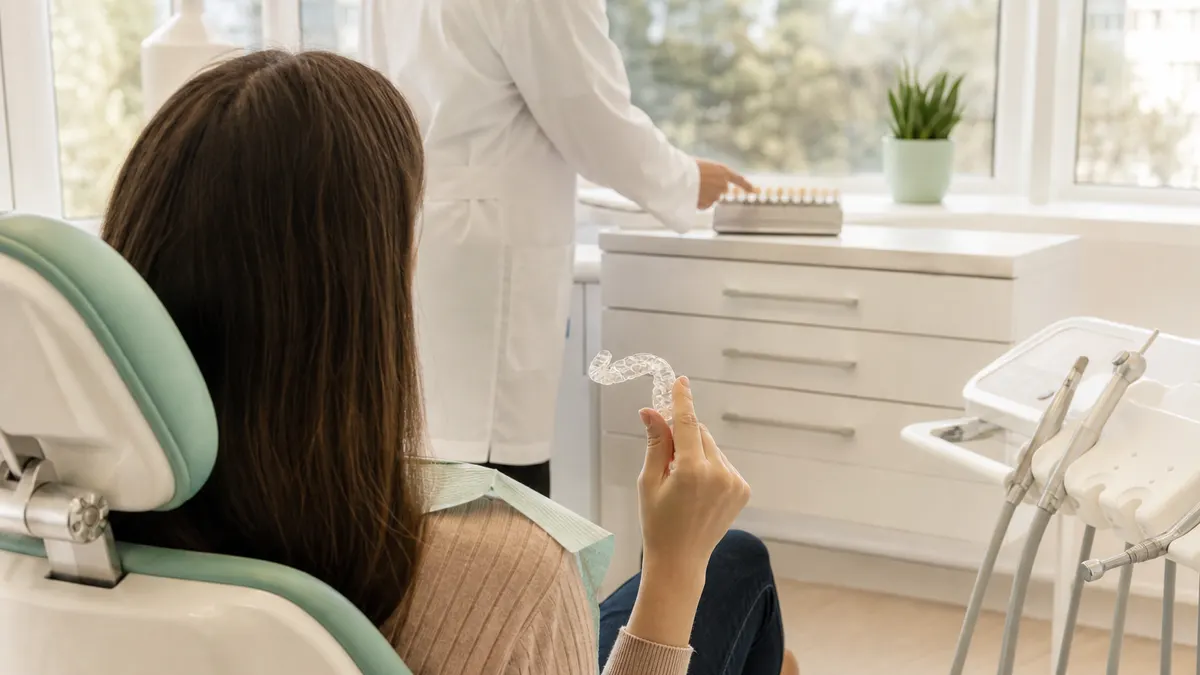
Most whitening products rely on one of two bleaching agents: hydrogen peroxide or carbamide peroxide. Carbamide peroxide breaks down into hydrogen peroxide, so the two work in a similar way. The peroxide releases oxygen molecules that penetrate the tooth surface and break apart the pigments that cause discoloration.
Not all stains are the same, and the type of stain affects how well whitening works:
- Extrinsic stains sit on or near the tooth surface. Coffee, tea, red wine, and tobacco are common causes. These usually respond well to whitening.
- Intrinsic stains form inside the tooth. Causes include certain medications, trauma, fluorosis, and aging. They can be harder to lighten and may respond more slowly.
Whitening does not remove enamel. It changes the color of the pigments within and on top of it. When used as directed on healthy teeth, whitening lightens the shade without stripping away the enamel itself.
Is Professional Teeth Whitening Safe for Your Teeth?
For suitable candidates, dentist-supervised whitening is considered a safe cosmetic treatment. The reason is not just the product. It is the evaluation and oversight that surround it.
Before whitening, a dentist will typically check for cavities, worn enamel, receding gums, cracked teeth, and visible fillings or crowns. Any of these can change how your teeth react to bleaching gel. A visit with an experienced dental team serving Southampton lets you address these issues first, so whitening does not make an existing problem worse.
A dentist also chooses the gel strength and the length of each session based on your teeth, your sensitivity history, and your goals. Gums can be protected during in-office treatment, and professional systems, including GLO™science, are designed to give the dental team control over the process. Even so, no dentist can promise zero sensitivity or identical results for every patient. Teeth respond differently.
What Are the Possible Side Effects of Teeth Whitening?
Side effects are usually mild and short-lived. The ones patients ask about most are:
- Temporary tooth sensitivity: a brief zing or ache with cold air, hot drinks, or sweets.
- Gum irritation: soreness, redness, or whitened patches on the gums if gel touches soft tissue.
- Uneven whitening: patchy results, often around fillings, crowns, or areas of deeper staining.
- Increased discomfort from overuse: using products more often or longer than directed.
- Irritation from poor-fitting trays or too much gel: excess gel can seep onto the gums.
Most of these effects settle within a few days after you stop treatment. If sensitivity is mild, patients often find that a desensitizing toothpaste or a short break between sessions helps. For more detail, see these safe whitening options for sensitive teeth.
Contact your dentist if sensitivity is sharp or lasts more than a few days, if your gums stay sore or swollen, or if you notice pain in a single tooth. A single painful tooth can signal a cavity or crack that needs attention.
Can Teeth Whitening Damage Tooth Enamel?
When used correctly on healthy teeth, whitening is not known to cause lasting enamel damage. Many people confuse sensitivity with damage. Sensitivity happens when peroxide temporarily passes through the enamel and irritates the nerve inside the tooth. It is uncomfortable, but it is usually reversible.
Real enamel problems are more likely to come from misuse. Examples include whitening too often, leaving products on longer than directed, or scrubbing teeth with abrasive homemade mixtures like baking soda pastes or acidic fruit rinses. Those habits can wear down enamel or inflame the gums.
A common myth is that whitening makes teeth thin or brittle. Following the instructions on the product, or the plan your dentist gives you, is the best way to protect your enamel. If you have thin or worn enamel to begin with, tell your dentist before you start.
Who Should Avoid Teeth Whitening?
Whitening is not right for everyone, or not right at every moment. Some patients should postpone it or consider other options:
- People with untreated cavities, since gel can reach sensitive inner layers of the tooth.
- Patients with active gum disease, which should be treated first.
- Individuals with significant tooth sensitivity, until the cause is addressed.
- People with cracked or damaged teeth.
- Pregnant or breastfeeding patients, who should talk with their dental professional about timing.
- Patients with crowns, veneers, or fillings on visible teeth, because those materials do not change shade with whitening.
Your dentist should evaluate your individual situation before recommending treatment. This is general information, not a diagnosis.
Is Professional Teeth Whitening Safer Than At-Home Whitening Kits?
Over-the-counter strips, gels, and trays can work for some people, and many are used without problems. The difference lies in customization and supervision. Here is how the two approaches compare:
- Concentration: store products usually use lower peroxide levels, while professional treatments may use stronger gels that a dentist controls.
- Fit: generic trays and strips can let gel leak onto the gums. Custom trays and in-office protection reduce that risk.
- Screening: a dentist can rule out cavities or gum problems first. Retail kits cannot.
- Monitoring: a dental team can adjust the plan if sensitivity appears.
The biggest risk with at-home products is overuse. Because they are easy to buy, some people stack several products or repeat treatments too soon, hoping for faster results. For a closer look, read about professional whitening compared with at-home kits. Professional care may be a better fit if you have sensitive teeth, visible dental work, deeper stains, or past reactions to whitening.
How Can You Make Teeth Whitening Safer?
A few habits go a long way:
- Schedule a dental exam and cleaning before you begin.
- Follow the recommended application time. Longer is not better.
- Avoid combining multiple whitening products at once.
- Use products your dentist recommends, and look for the ADA Seal of Acceptance on over-the-counter options.
- Treat existing sensitivity or gum problems before whitening.
- Keep up with regular cleanings and daily brushing and flossing.
- Skip unnecessary repeat treatments. If results fade, ask your dentist before starting again.
Are Teeth Whitening Results Permanent?
No. Whitening lightens your teeth, but it does not stop new stains from forming. Coffee, tea, red wine, dark sodas, and tobacco can gradually dull your results. Natural aging can also darken teeth over time.
You can help your results last by rinsing with water after dark drinks, brushing twice a day, flossing daily, and keeping up with professional cleanings. Some patients benefit from an occasional dentist-recommended touch-up. How long results last varies from person to person, so a fixed timeline is not realistic.
Is Teeth Whitening Better Than Veneers for Stained Teeth?
Neither one is automatically better. They solve different problems. Whitening changes the color of your natural teeth. Veneers are thin shells placed over the front of teeth to change their color, shape, or surface appearance.
Whitening will not change the shade of existing crowns, fillings, or veneers, which can leave mismatched colors after treatment. For deeper discoloration that does not respond well to whitening, or for teeth with other cosmetic concerns, porcelain veneers for improving smile appearance may be worth discussing. Veneers are a more involved treatment than whitening, so the right choice depends on your tooth health, budget, and goals. A consultation is the best way to decide.
Where Can You Get Professional Teeth Whitening in Southampton, PA?
Miracle Dental Center is a dental practice serving Southampton and surrounding Bucks County communities. A professional evaluation matters before any cosmetic treatment, because whitening works best on healthy teeth and gums.
The practice offers professional teeth whitening in Southampton, including treatment with GLO™science technology. During a consultation, the dental team can review your oral health, talk through your goals, and explain whether whitening is a good fit or whether another option makes more sense. There is no pressure to move forward. The goal is to help you make an informed choice.
Achieve a Brighter Smile with Professional Teeth Whitening
Teeth whitening is generally safe for suitable candidates, especially when guided by a dental professional. Most side effects, such as sensitivity and gum irritation, are temporary. The bigger risks come from skipping an exam, using products incorrectly, or whitening teeth that need other care first.
The right option depends on your oral health and your cosmetic goals. If you are considering whitening and want to know what is safe for your teeth, Miracle Dental Center in Southampton, PA would be glad to talk it through. Schedule a consultation to explore your options.
Frequently Asked Questions
No, daily whitening is not recommended. Frequent use of whitening products can increase sensitivity and irritate the gums. Follow the schedule on the product or your dentist’s plan, and ask before repeating treatment.
No, whitening used as directed on healthy teeth is not known to cause permanent enamel damage. Problems are more likely with overuse or abrasive DIY methods, so stick to dentist-approved products and instructions.
Sensitivity usually lasts a few days and often eases within about one to two days after treatment. It varies by person. If it is severe or lingers, call your dentist.
Professional whitening is often a safer choice because a dentist screens your teeth first and controls the product and timing. Strips can still be a reasonable option for some people when used exactly as directed.
Often yes, but it needs a careful approach. A dentist may adjust the gel strength, shorten sessions, or recommend desensitizing care first. Significant sensitivity should be evaluated before you begin.
Whitening is generally safe for healthy gums, but gel that touches gum tissue can cause temporary irritation. Custom trays and professional protection help limit contact. Active gum disease should be treated first.
Whitening does not usually harm fillings or veneers, but it will not lighten them either. That can leave visible color differences, so tell your dentist about any dental work before treatment.