
Healthy gums are the foundation of a healthy mouth, but many people do not think about them until something feels wrong. Gum disease is one of the most common oral health problems adults face, and it can range from mild gum irritation to a more serious infection that affects the bone holding your teeth in place. The two main stages you will hear about are gingivitis, the earlier and more reversible stage, and periodontitis, a more advanced form that can lead to permanent damage if it is not addressed.
The good news is that gum disease treatment is often straightforward, especially when caught early. This guide walks through what gum disease is, how to recognize it, the stages it can progress through, and the treatment options a dental team may recommend. By the end, you should have a clearer picture of what to expect and when it makes sense to schedule a checkup.
What Is Gum Disease?
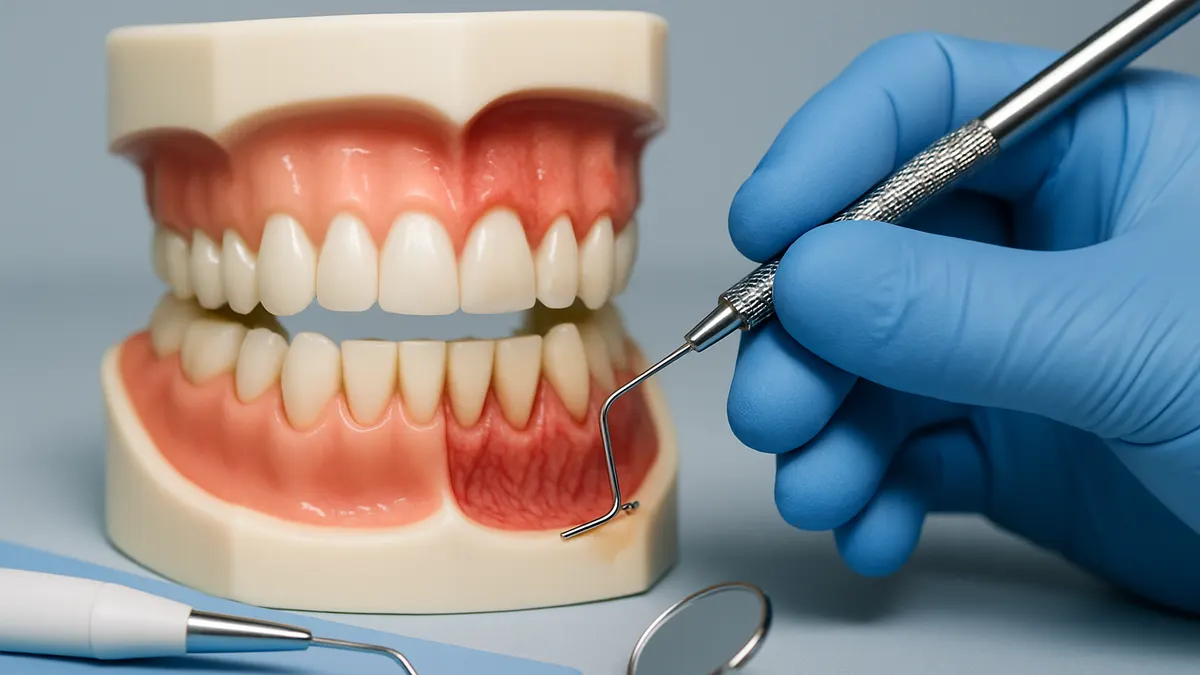
Gum disease is an infection of the tissues that surround and support your teeth. It typically starts when plaque, a sticky film of bacteria, builds up along the gumline and is not removed through regular brushing and flossing. Over time, that plaque can harden into tartar, which is much harder to remove and gives bacteria an even easier place to thrive. As the bacteria irritate the gum tissue, the gums can become inflamed, tender, and prone to bleeding.
There are two broad categories of gum disease. Gingivitis is the milder, early form, involving inflammation of the gums without damage to the bone or the ligaments that hold teeth in place. Periodontitis develops when gingivitis is left untreated and the infection spreads deeper, beginning to break down the tissue and bone that support the teeth. Left unaddressed, periodontitis can lead to gum recession, loose teeth, and eventually tooth loss, which is why catching it early matters so much.
Common Signs and Symptoms of Gum Disease
Gum disease does not always announce itself loudly, especially in its earliest stages. Some people have mild gum disease for months without realizing it, since early inflammation does not always cause noticeable discomfort. Still, there are several warning signs worth watching for:
- Red or swollen gums
- Bleeding while brushing or flossing
- Tender or sensitive gums
- Persistent bad breath that does not go away with brushing
- Gums that appear to be pulling away from the teeth (receding gums)
- Loose or shifting teeth
- Pain or discomfort while chewing
- A change in the way your teeth fit together when you bite down
If any of these sound familiar, it is worth having your gums evaluated, even if the symptoms seem minor.
Understanding the Stages of Gum Disease
Gum disease tends to progress in stages, and knowing where you fall can help set expectations for treatment.
Stage 1: Gingivitis
Gingivitis is the earliest stage of gum disease. It usually shows up as inflammation, redness, and bleeding, particularly when brushing or flossing. At this point, the bone and connective tissue holding the teeth in place have not been affected. With consistent brushing, flossing, and a professional cleaning, gingivitis can generally be managed and even reversed.
Stage 2: Early Periodontitis
When gingivitis is not treated, the infection can begin to affect the tissues that support the teeth. This is often when periodontal pockets, small gaps that form between the gum and the tooth, start to develop. These pockets give bacteria a place to collect that is harder to reach with a regular toothbrush.
Stage 3: Moderate to Advanced Periodontitis
At this stage, there is greater damage to the supporting tissue and bone. Gum recession and loose teeth may become noticeable, and daily activities like eating can become uncomfortable. More advanced treatment is often necessary to stabilize the condition and prevent further tooth loss.
How Is Gum Disease Diagnosed?
A dental exam is the most reliable way to find out how advanced gum disease might be. During an evaluation, the dental team typically looks at:
- The overall condition of the gums and teeth
- Signs of inflammation and bleeding
- The depth of any periodontal pockets, measured with a small instrument
- Whether gum recession is present
- Dental X-rays, when needed, to check for bone loss around the teeth
Every case is different, so the right course of treatment depends on how far the disease has progressed and the individual’s overall oral health.
Gum Disease Treatment Options
Treatment for gum disease is not one-size-fits-all. It generally depends on the stage of the disease and how the gums and supporting bone have been affected.
Professional Dental Cleaning
For early gum disease, a professional cleaning is often the first line of treatment. This removes plaque and tartar buildup above the gumline that a toothbrush cannot reach on its own. Regular cleanings also make it easier to keep gum inflammation from returning once it has been brought under control.
Scaling and Root Planing
Scaling and root planing, sometimes called deep cleaning for gum disease, is used when plaque and tartar have built up below the gumline. During this treatment, the dental team removes buildup from the tooth surface and root, then smooths the root so bacteria have a harder time reattaching and the gum tissue can reattach more easily as it heals.
For a closer look at how gums typically respond after this type of treatment, our guide to maintaining healthy gums covers what to expect during recovery.
Medications
In certain cases, a dental professional may recommend antimicrobial treatments or other medications alongside cleaning procedures to help control infection. This is not necessary for every patient, and whether it is recommended depends on the severity of the case and how the gums respond to initial treatment.
Periodontal Surgery
When nonsurgical treatment is not enough to control more advanced gum disease, surgical options may be considered. These can include flap surgery to allow deeper cleaning of the roots, procedures aimed at reducing deep periodontal pockets, regenerative procedures to help rebuild lost bone or tissue when appropriate, and gum grafting for patients dealing with significant gum recession. Surgery is generally reserved for cases where nonsurgical care alone has not resolved the problem.
Can Gum Disease Be Treated at Home?
Daily home care plays an important role in managing gum health, but it cannot replace professional treatment once periodontitis has developed. Good habits at home can support treatment and help prevent gum disease from returning, including:
- Brushing twice daily with a fluoride toothpaste
- Flossing or using interdental brushes daily
- Using a mouthwash if one has been recommended by a dental professional
- Avoiding tobacco products, which slow healing and worsen gum disease
- Keeping up with regular dental visits
- Following any specific instructions given after a professional treatment
Daily home care plays an important role in managing gum health, but it cannot replace professional treatment once periodontitis has developed.
How Long Does Gum Disease Treatment Take?
There is no single timeline that applies to everyone, since treatment length depends on several factors:
- How advanced the gum disease is
- The amount of plaque and tartar present
- How much inflammation is affecting the gums
- Whether any bone loss has occurred
- The type of treatment required
- How consistently a patient follows their home care routine afterward
Some people see noticeable improvement within a few weeks of treatment, while more advanced cases may require ongoing maintenance visits over a longer period. Because everyone’s mouth responds a little differently, your dental team can give you a more specific estimate once they have evaluated your gums.
How to Prevent Gum Disease
Prevention is almost always easier than treatment. A few habits go a long way toward keeping gum disease from developing in the first place:
- Brush your teeth twice a day
- Clean between your teeth every day, whether with floss or another interdental tool
- Visit the dentist regularly for checkups and cleanings
- Do not ignore bleeding or swollen gums, even if they do not hurt
- Avoid smoking and other tobacco products
- Maintain a balanced diet that supports overall oral health
- Follow any professional oral care recommendations you have been given
When Should You See a Dentist?
Some symptoms are worth addressing sooner rather than later. Consider scheduling a visit if you notice:
- Gums that bleed frequently, not just occasionally
- Swelling or redness that does not go away
- Gums that appear to be receding
- Bad breath that persists despite good oral hygiene
- Teeth that feel loose or seem to be shifting
- Pain or discomfort while chewing
- Pus or discharge around the gums
Catching gum disease early usually means simpler treatment and a better long-term outcome, so it is worth getting checked out rather than waiting to see if symptoms go away on their own.
Conclusion
Gum disease is common, but it does not have to be something you simply live with. Recognizing the early signs, such as bleeding or tender gums, gives you the best chance of treating the problem before it progresses. Daily brushing and flossing matter, but they work best alongside regular professional care, especially once any signs of gum disease appear. More advanced cases may call for deeper cleaning or additional treatment, and a dental evaluation is the only way to know for sure where things stand.
If you are dealing with symptoms of gum disease or it has simply been a while since your last cleaning, scheduling an evaluation is a good next step. Patients looking for the Best Dentist in Richboro can reach out to schedule a gum health evaluation and get a personalized treatment plan.
We’re proud to help patients throughout Bensalem, Feasterville, Holland, Langhorne, and Newtown protect their gum health with treatment options tailored to every stage of gum disease.
Frequently Asked Questions
Gingivitis, the earliest stage, can often be reversed with professional cleaning and consistent home care. Periodontitis cannot be fully reversed since it involves loss of bone and tissue, but it can typically be managed and stabilized with the right treatment and maintenance.
There is not one universal answer since it depends on the stage of the disease. Early cases often respond well to professional cleaning, while more advanced cases may need scaling and root planing, and in some situations, periodontal surgery.
Mild gingivitis may improve with better oral hygiene, but established periodontitis will not resolve without professional treatment. Waiting it out generally allows the condition to progress.
It varies by case. Some patients see improvement after one or two cleaning visits, while more advanced periodontitis may require several appointments and ongoing maintenance care.
Yes, if periodontitis is left untreated, it can damage the bone and tissue that hold teeth in place, eventually leading to loose or lost teeth.
Most gum disease treatments, including professional cleanings and scaling and root planing, are done with local anesthesia when needed and are generally well tolerated. Some mild soreness afterward is normal and typically resolves within a few days.