
Cosmetic dentistry is a branch of dentistry focused on improving the appearance of your teeth, gums, and smile through procedures like whitening, veneers, bonding, and clear aligners. In short: if your smile affects your confidence, or you have chips, gaps, discoloration, or misalignment that bother you, cosmetic dentistry offers safe, well-established options to address them. Results and suitability vary by person, which is why a consultation matters before choosing a treatment.
This article covers five practical reasons people try cosmetic dentistry, the most common cosmetic dental procedures, and the questions patients usually ask before booking.
What Is Cosmetic Dentistry?
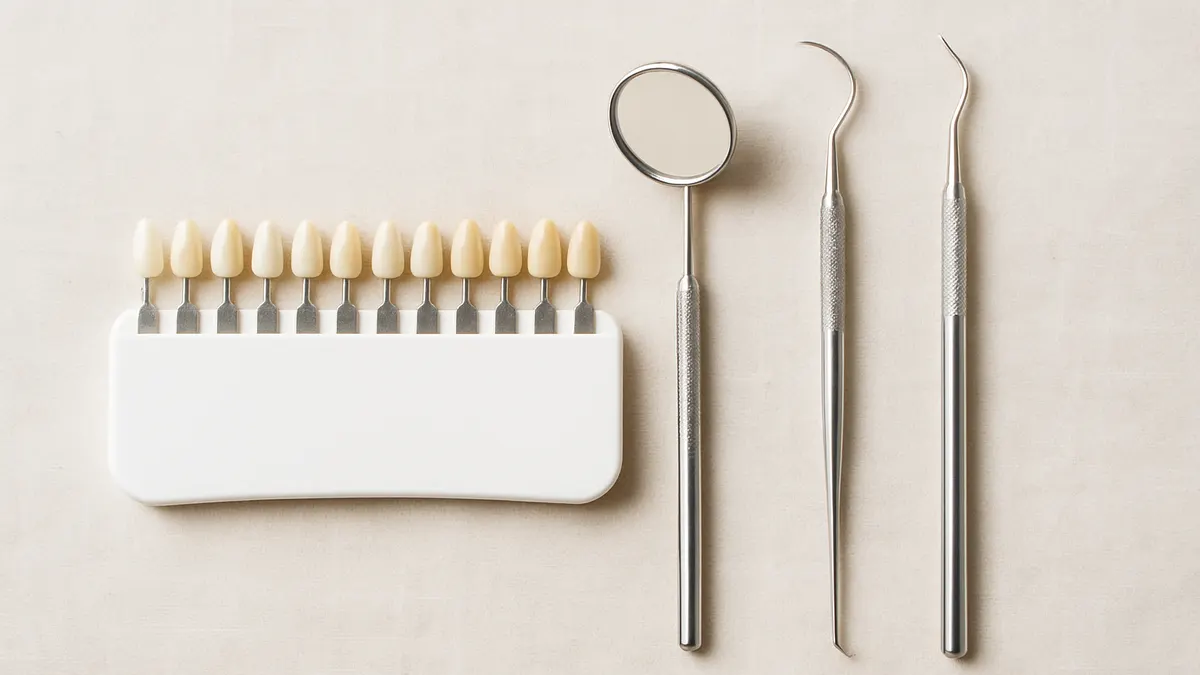 Cosmetic dentistry refers to dental treatments that improve the look of teeth, gums, and bite, often while supporting oral health too. It differs from general dentistry, which focuses mainly on diagnosing and treating disease, though the fields overlap. The American Academy of Cosmetic Dentistry (AACD) is a recognized professional organization that promotes standards in this field. Common goals include brightening stained teeth, closing gaps, repairing chips, and creating a more even smile.
1. It Can Improve Your Confidence and How You Present Yourself
Many people who are self-conscious about their smile find themselves covering their mouth when they laugh or avoiding photos altogether. Addressing stained, chipped, or crooked teeth often changes how comfortable someone feels smiling socially or professionally — one of the most commonly cited reasons patients pursue treatment. Confidence is personal, though: cosmetic dentistry works best as a way to feel like yourself, not to meet an external standard.
2. It Addresses a Wide Range of Common Smile Concerns
Cosmetic dentistry isn’t a single procedure; it’s a toolkit. Depending on what’s bothering you, a dentist may recommend a different treatment:
- Discoloration or staining — professional teeth whitening
- Chips, cracks, or minor gaps — dental bonding or veneers
- Uneven or worn teeth — veneers or reshaping
- Crowding or misalignment — clear aligners like Invisalign
- Missing teeth affecting smile appearance — implants or bridges (restorative options with cosmetic benefits too)
A consultation helps identify which option fits your teeth, budget, and timeline. Compare two popular options in teeth whitening versus veneers if you’re deciding between a quick brightening treatment and a longer-lasting solution.
3. Modern Techniques Are Less Invasive Than Many People Expect
Many procedures today are conservative, preserving more natural tooth structure than older techniques did. Thin porcelain veneers require minimal enamel removal compared to full crowns, and bonding can often be completed in a single visit with no anesthesia needed. Clear aligner systems like Invisalign use custom trays instead of metal brackets — see this walkthrough of what to expect during clear aligner treatment for the stage-by-stage progression. That said, no procedure is entirely painless or risk-free, and a dentist should explain what to expect for your case.
4. It Can Support Better Oral Function and Hygiene
While cosmetic dentistry is primarily about appearance, some procedures make daily oral care easier too. Straightening crowded teeth with clear aligners can reduce hard-to-reach spots where plaque builds up, which may lower the risk of decay and gum irritation over time. Repairing worn teeth can also improve how your bite comes together — one reason many general dentists offer cosmetic services rather than treating them as separate. See this before-and-after guide to full smile transformations for an example. Not every procedure has a functional benefit, though; whitening is purely cosmetic.
5. Results Are Often Tailored and Long-Lasting
Cosmetic dental work isn’t one-size-fits-all. A dentist typically evaluates your tooth shape, color, alignment, and facial features before recommending a plan, and procedures like veneers and bonding are customized in shade and shape to match your smile. Longevity varies by procedure: porcelain veneers are often reported to last well over a decade with good care, while whitening typically fades gradually over months. Because ranges depend on the product and patient, your dentist is the best source for what to expect — read more on how long veneers typically last with proper care.
Common Cosmetic Dental Procedures at a Glance
| Procedure | Typically Used For | Time Commitment |
| Teeth whitening | Stained or dull teeth | Single visit or at-home course |
| Dental veneers | Chips, gaps, discoloration | Multiple visits |
| Dental bonding | Minor chips, small gaps | Often one visit |
| Clear aligners (Invisalign) | Crowding, spacing | Months to over a year |
| Dental implants | Missing teeth | Multiple stages |
Treat this as a starting point — actual timelines depend on your teeth and treatment plan.
Who Is a Good Candidate, and What Does It Cost?
Most healthy adults with good gum health and no untreated decay are reasonable candidates, though it depends on the treatment — active gum disease typically needs to be addressed first. A quick, affordable refresh points toward whitening or bonding; bigger alignment or shape concerns may get more value from veneers or aligners.
Cost varies widely by procedure, number of teeth treated, and materials used. Whitening tends to be the most affordable option, while veneers or a full smile makeover cost more due to lab work involved. Since these procedures are usually elective, insurance coverage differs by plan, so ask your provider what’s covered. A consultation gives the most accurate answer on both.
Take the Next Step Toward a Smile You Feel Confident About
The most useful next step is usually a conversation with a dentist rather than self-diagnosing from photos online. A dental exam confirms your oral health is ready for treatment and helps you compare realistic options. You can review general dental services and what a first visit typically involves, or explore clear aligner treatment for straightening your smile, professional options for brightening a stained smile, or custom shell restorations for chips, gaps, and shape concerns. Cosmetic dentistry isn’t about chasing a “perfect” smile — it’s about addressing what genuinely bothers you, with techniques more conservative than many people realize.
Patients from Richboro, Bensalem, Bucks County, Holland, Southampton, Horsham, Newtown and Langhorne regularly visit for cosmetic dental consultations, and appointment availability can vary by neighborhood, so it’s worth checking scheduling in advance.
Frequently Asked Questions
Generally, yes, when performed by a licensed dentist using standard techniques. Factors like enamel thickness, gum health, or allergies can affect what’s appropriate for you, which is why an exam should come first.
Cosmetic dentistry focuses on appearance, while restorative dentistry repairs damage or restores function, such as treating decay or replacing missing teeth. Some treatments, like implants, offer both.
It depends on the procedure. Whitening often lasts several months to a couple of years depending on habits, while veneers and bonding can last many years with proper care.
Many procedures involve little to no discomfort, especially whitening and bonding. Ones that reshape enamel, like veneers, may involve mild, temporary sensitivity.
Yes, in some cases. Clear aligners handle genuine alignment correction, while veneers or bonding can visually straighten the look of mildly misaligned teeth without moving them.
It depends on what bothers you about your smile, your budget, and how much time you want to invest. A dentist can walk through which options realistically address your concerns.