
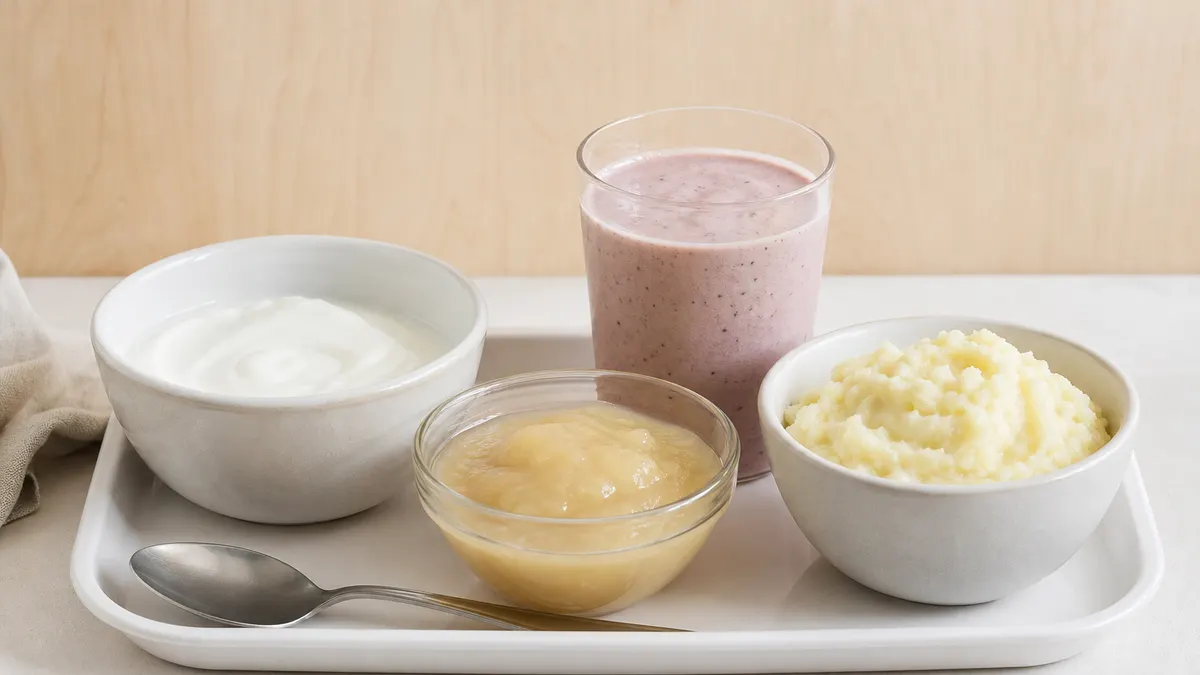
In the first day or two after a tooth extraction, stick to soft, cool or lukewarm foods that need little or no chewing. Yogurt, applesauce, mashed potatoes, scrambled eggs, and smooth soups are all good choices. As the area heals, you can slowly add more variety, guided by how your mouth feels and what your dentist tells you.
Food matters more than most people expect during recovery. The right choices protect the extraction site, keep you comfortable, and give your body the nutrition it needs to heal. If you are still wondering about what to expect during a tooth extraction, including the procedure itself and the recovery that follows, that guide walks through it step by step.
This article covers the best foods to eat after a tooth extraction, what to avoid, and how to know when something needs a professional look.
Why Does Your Diet Matter After a Tooth Extraction?
After a tooth is removed, your body forms a blood clot in the empty socket. This clot is the foundation of healing. It shields the underlying bone and nerve endings and gives new tissue a place to grow.
The wrong foods can disturb that process:
- Hard or sharp foods can scrape or puncture the surgical area.
- Small particles, like seeds or crumbs, can lodge in the socket.
- Very hot foods and drinks can increase bleeding or irritation.
- Heavy chewing near the site can loosen the clot.
If the clot is dislodged early, the bone can be exposed, which may lead to a painful complication called dry socket. Good food choices are one of the simplest ways to lower that risk.
Nutrition matters too. Healing takes protein, vitamins, and fluids, and many people eat too little after an extraction because chewing feels uncomfortable. Soft foods let you stay nourished without stressing the area.
What Can You Eat Immediately After a Tooth Extraction?
For the first 24 hours, think smooth, soft, and not hot. Good options include:
- Yogurt: Choose plain or lightly flavored varieties without fruit chunks, seeds, or granola.
- Applesauce: Easy to swallow and gentle on the site.
- Mashed potatoes: Filling and soft. Let them cool to warm before eating.
- Scrambled eggs: A good source of protein. Cook them soft and let them cool slightly.
- Smooth soups: Cream-based or blended soups work well. Cool them to lukewarm and skip chunky varieties.
- Pudding and custard: Soothing and require no chewing.
- Soft oatmeal: Cook it until creamy and let it cool before eating.
- Mashed bananas: Naturally soft and easy to prepare.
How to Eat Comfortably
Use a spoon and take small bites. Place food toward the side of your mouth away from the extraction site. Let foods cool before eating, since numbness from anesthesia can make it hard to notice heat, and it is easy to burn your tongue or cheek without realizing it.
Many patients also find that soft, protein-rich foods keep them fuller than liquids alone. If you have had a dental implant placed rather than a routine extraction, your instructions may differ somewhat. Our guide to soft foods that support oral recovery covers the dietary needs specific to implant surgery, which involves different healing considerations than a simple extraction.
What Foods Can You Eat During the First Few Days?
As swelling and tenderness ease, usually over the first several days, you can gradually add foods with a bit more texture. Introduce them one at a time and stop if anything causes discomfort.
Foods that are often tolerated as healing progresses include:
- Soft pasta, well cooked and cut into small pieces
- Soft, flaky fish such as baked salmon or cod
- Cottage cheese
- Soft tofu
- Well-cooked, soft vegetables such as steamed carrots or squash
- Soft-cooked rice (see the FAQ below)
- Avocado and smoothies eaten with a spoon
Progress should follow your comfort, not the calendar. A wisdom tooth removal or surgical extraction often needs a longer period of soft foods than a simple extraction of a single tooth. Your dentist’s personalized instructions always take priority over general guidance.
What Foods Should You Avoid After a Tooth Extraction?
Some foods are more likely to cause problems while the site is healing.
- Hard and crunchy foods: Raw carrots, hard bread crusts, and crackers can irritate or injure the tissue.
- Chips, nuts, and popcorn: Sharp edges and small fragments can scratch the area or lodge in the socket. Popcorn hulls are a common culprit.
- Sticky or chewy foods: Caramel, gum, and chewy candy can pull on the site and require more jaw movement than is comfortable.
- Spicy foods: Heat and acidity can sting and irritate healing tissue.
- Very hot foods and drinks: Heat may increase bleeding and discomfort. Choose lukewarm or cool instead.
- Seeds and grainy foods: Sesame seeds, berry seeds, and similar items can settle into the socket and are hard to remove.
- Alcoholic beverages: Alcohol can irritate the site, may interact with pain medication or antibiotics, and can interfere with healing.
When Can You Return to Your Normal Diet After Tooth Extraction?
There is no single timeline that fits everyone. How quickly you return to normal eating depends on:
- How complex the extraction was
- Whether stitches were placed
- Your individual healing
- Your dentist’s recommendations
The best approach is gradual. Move from liquids and very soft foods to soft solids, then slowly to firmer textures as chewing feels comfortable. Many people notice steady improvement over the first week, but a surgical or wisdom tooth extraction may take longer. Always check with your dentist before going back to hard, crunchy, or chewy foods, especially if you still feel tenderness.
Helpful Eating Tips for a Comfortable Recovery
- Eat small portions. Smaller meals are easier to manage and less likely to cause strain.
- Chew away from the site whenever possible.
- Stay hydrated. Drink plenty of water throughout the day.
- Skip straws during the early healing period. The suction can dislodge the clot.
- Avoid smoking and tobacco. They slow healing and raise the risk of dry socket.
- Follow your aftercare instructions. Guidance on rinsing, brushing, and medication timing varies by patient and procedure. Do not start rinsing or brushing near the site until your dentist says it is appropriate.
Extractions can also leave a gap in your smile, and this is a good time to think about the future. Patients often discuss options for replacing missing teeth with their dentist, since a gap can affect chewing, nearby teeth, and jawbone support over time. Dental implants are one option your dentist may review with you once the area has healed.
When Should You Contact Your Dentist After a Tooth Extraction?
Some soreness and mild swelling are normal. Call your dentist if you notice any of the following:
- Pain that gets worse after the first few days instead of improving
- Bleeding that continues or returns despite following your instructions
- Swelling that increases rather than fades
- Fever
- Pus or discharge from the site
- A persistent bad taste or odor in your mouth
Severe pain that begins a few days after the procedure, sometimes radiating toward the ear, can signal dry socket. This is treatable, and prompt care can bring relief. If you ever have trouble breathing or swallowing, seek emergency care right away.
Conclusion
Choosing soft, nourishing foods and avoiding anything that may irritate the extraction site can help support a smooth recovery. Begin with gentle options such as yogurt, mashed potatoes, and scrambled eggs, then gradually introduce other foods as your comfort improves. Follow your dentist’s aftercare instructions to protect the healing area and reduce the risk of complications.
Every tooth extraction and recovery experience is different, so having questions along the way is completely normal. Whether you need dietary advice or have concerns about your healing, Miracle Dental Center is here to help. Contact our team for professional dental care and personalized recovery guidance in Southampton, with additional care available in nearby communities, including Bensalem, Levittown, Holland, Newtown, Langhorne, and Richboro.
Frequently Asked Questions
Yes, but wait until the numbness wears off and your dentist says it is safe. Then start with cool, soft foods like yogurt or applesauce. Eating while numb makes it easy to bite your cheek or tongue without noticing.
Yes, soft scrambled eggs are generally a good choice. Cook them until tender, let them cool to lukewarm, and eat them with a spoon. They provide protein that supports healing.
Yes, yogurt is one of the easiest foods to tolerate. Choose smooth varieties without seeds, nuts, or fruit chunks. Cold, plain yogurt can also feel soothing.
Soft, well-cooked rice may be fine after the first couple of days, but plain rice grains can lodge in the socket. Wait until your dentist agrees the site is ready, and eat small portions carefully.
It depends on the type of extraction and how you heal. Many people stay with soft foods for several days to a week, while surgical or wisdom tooth extractions can take longer. Your dentist will give you guidance that fits your situation.
Lukewarm or cool coffee is usually acceptable after the first day, but very hot coffee should be avoided because heat can irritate the site. Avoid drinking it through a straw, and ask your dentist about caffeine if you are taking prescribed medication.
Most people return to solid foods gradually as comfort improves. Start with soft solids and add firmer textures slowly. Your dentist can tell you when it is safe to resume your normal diet.
Do not poke at it with fingers, toothpicks, or sharp objects. Follow your dentist’s rinsing instructions once they say it is safe to do so. If the food stays in place or you notice pain, swelling, or a bad taste, contact your dentist so they can clear it safely.