
A chipped tooth can happen in an instant. Biting into something hard, an accidental fall, grinding your teeth at night, or enamel that’s already worn down can all leave you with a rough edge or a small missing piece. It’s a common question: can you actually fix a chipped tooth at home?
The honest answer is that home care can protect the tooth and ease discomfort while you wait for an appointment, but it can’t permanently restore the part of the tooth that’s gone. This guide walks through safe temporary steps you can take right now, what to avoid, and how to tell when it’s time to call a dentist.
Can You Really Fix a Chipped Tooth at Home?
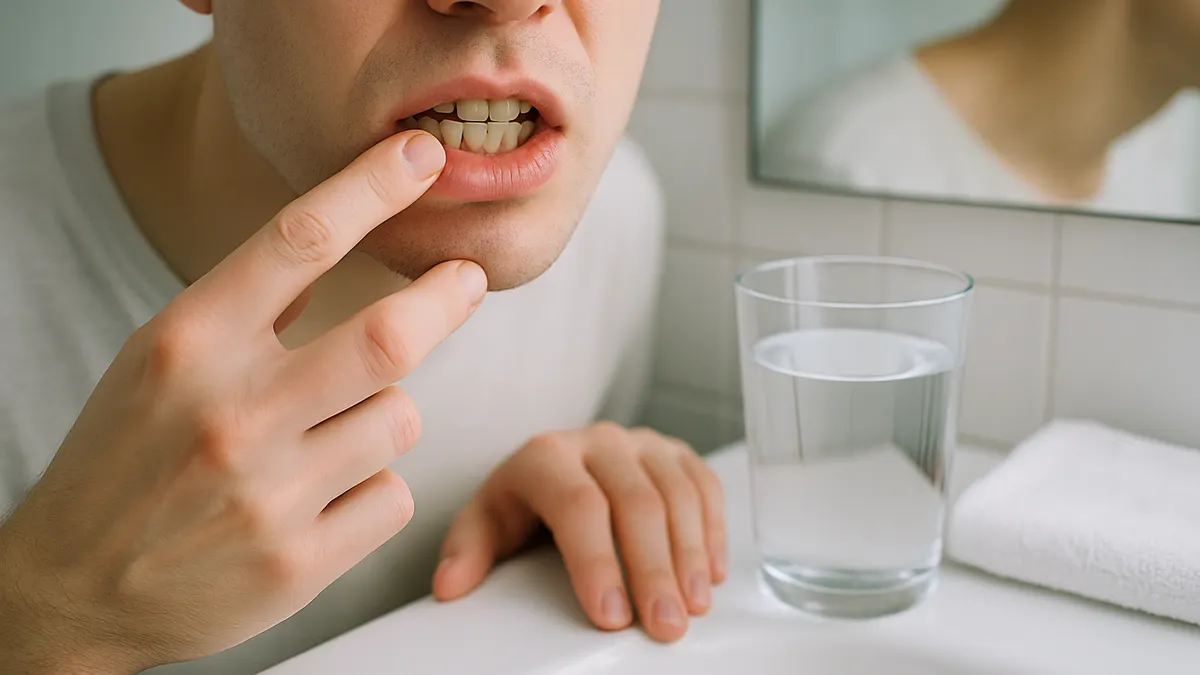
There’s a real difference between temporary home care and an actual dental repair. Home steps are about managing sharp edges, sensitivity, and further damage until you can be seen. Treatments that actually rebuild the tooth, such as bonding, reshaping, veneers, or crowns, need to be evaluated and performed by a trained dental professional.
It might be tempting to try gluing a broken piece back on, filing down a sharp edge yourself, or using a DIY repair kit you found online. These attempts usually cause more harm than good. Household glues aren’t safe for use in the mouth, and filing enamel unevenly can throw off your bite or expose more of the tooth to bacteria and decay.
What to Do Immediately After Chipping a Tooth
The first few minutes after chipping a tooth matter. Here’s what to do:
- Rinse your mouth gently with warm water to clear away any debris.
- If a piece of the tooth broke off, save it in a small container with milk or water. Your dentist may be able to use it.
- Apply a cold compress to the outside of your cheek if the area is swollen.
- Avoid chewing on the affected side until the tooth has been checked.
- Stick to softer foods for now.
If the chipped edge feels sharp against your tongue or cheek, a small amount of dental wax or sugar-free gum can cover the edge temporarily and prevent irritation. Over-the-counter pain relief can help with discomfort. Follow the product’s directions, and check with a pharmacist or doctor first if you have any health conditions or take other medications.
How to Protect a Chipped Tooth at Home
While you’re waiting for your dental appointment, a little extra care goes a long way:
- Skip hard, crunchy, sticky, or chewy foods.
- Avoid biting down directly with the damaged tooth.
- Keep brushing and flossing gently. Don’t stop your normal hygiene routine.
- Be cautious with very hot or cold foods and drinks if the tooth feels sensitive.
- Cut out habits like chewing ice, pens, or fingernails.
This kind of care matters even more when a larger piece of the tooth has broken away, since more of the inner tooth structure may be exposed.
What NOT to Do for a Chipped Tooth
A quick online search brings up plenty of DIY fixes, but most of them aren’t safe. Avoid these:
- Don’t use household glue or adhesive on your tooth.
- Don’t try to file the tooth down with a nail file or any other tool.
- Don’t attempt to glue a broken piece back into place yourself.
- Don’t rely on DIY dental repair kits as a substitute for professional treatment.
- Don’t ignore ongoing pain, sensitivity, swelling, or a sharp edge.
These approaches often make the damage worse or make it harder for your dentist to properly restore the tooth later.
When Is a Chipped Tooth an Emergency?
Not every chip needs urgent attention, but some signs mean you shouldn’t wait. Contact a dentist right away if you notice:
- Severe or worsening pain
- Strong sensitivity to hot or cold
- Bleeding that won’t stop
- Swelling in the gums, face, or jaw
- A large piece of the tooth missing
- A sharp edge that’s cutting your tongue or cheek
- Signs the inner part of the tooth is exposed, such as a pink or reddish area
- A chip that came from a significant facial injury
Severe swelling, trouble breathing or swallowing, uncontrolled bleeding, or major facial trauma all call for emergency care right away. For symptoms that are concerning but less severe, it helps to know where to turn first.
Understanding the difference between an emergency dentist and urgent care can help you get the right care faster instead of guessing where to go.
Can a Small Chipped Tooth Heal on Its Own?
Tooth enamel doesn’t grow back once it’s chipped away. A very small chip might not need extensive treatment, but a dentist is still the one who should make that call. Even a chip that doesn’t hurt can be a sign that the tooth was already weaker than it should be, so it’s worth getting checked rather than assuming it’s fine.
How a Dentist Can Repair a Chipped Tooth
Once you’re in the dentist’s chair, there are several ways to restore a chipped tooth depending on the size and location of the damage:
Dental bonding is often used for smaller chips, and it restores the tooth’s shape while blending in with the surrounding enamel. Looking at real dental bonding results for chips, gaps, and stains can give you a sense of what’s realistic for your tooth.
- Reshaping and polishing may be enough for very minor chips.
- Veneers can be an option for certain cosmetic concerns, especially on front teeth.
- Crowns are used when a larger portion of the tooth is damaged or weakened.
- Root canal treatment may be needed if the chip or the trauma that caused it has reached the tooth’s pulp.
The right treatment depends on the size and location of the chip, your symptoms, the overall health of the tooth, and whether the nerve has been affected. If you want more detail on how dentists evaluate and treat a chipped tooth, our related guide walks through each option in more depth.
How to Prevent Chipped Teeth in the Future
A few habit changes can lower your risk of a repeat chip:
- Avoid biting down on hard objects or anything that isn’t food.
- Skip chewing ice.
- Wear a properly fitted mouthguard during contact sports.
- Talk to your dentist about a nightguard if you grind or clench your teeth.
- Keep up with regular dental checkups.
- Get cavities or weakened teeth treated early, before they become more prone to fracturing.
Conclusion
There’s no reliable way to permanently fix a chipped tooth at home. What you can do is protect the tooth, ease any irritation, and prevent further damage until a dentist can take a look. If your chip is large, painful, sensitive, or came with swelling or an injury, don’t wait to reach out.
The good news is that most chipped teeth can be restored effectively with the right treatment. If you’re in the Richboro area, schedule a visit with our team and we’ll take a look at your tooth and walk you through your options.
We also welcome patients from Feasterville, Holland, Langhorne, and Newtown for chipped tooth repair and general dental care.
Frequently Asked Questions
At-home repair kits are limited in what they can safely and permanently fix. They don’t match the strength or fit of a professional restoration, and using them can sometimes make it harder for a dentist to treat the tooth properly afterward.
No. Filing a tooth yourself can create an uneven bite, expose more of the tooth’s inner structure, and lead to further damage. This should only be done by a dentist.
It depends on the size of the chip and your symptoms. A very minor chip with no pain may not be urgent, but persistent pain, sensitivity, swelling, bleeding, or a significant break shouldn’t be put off.
Stick to soft foods like yogurt, eggs, mashed potatoes, or soup, and avoid anything hard, sticky, or crunchy until the tooth has been evaluated.
Some very minor chips stay stable, but a weakened or damaged tooth is more vulnerable to further breakage, sensitivity, decay, and other complications over time.