
If you are missing several teeth, or all of them, the denture procedure can feel like a big unknown. How long does it take? Will it hurt? What will eating and talking feel like afterward? These are common questions, and the answers are easier to understand once you see how the process unfolds.
Dentures are removable replacements for missing teeth. Partial dentures fill gaps when some natural teeth remain, and full dentures replace an entire upper or lower arch. Getting dentures is not a single appointment. The steps to getting dentures include a consultation, impressions, custom fabrication, a try-in, a final fitting, and follow-up adjustments. This guide walks through each stage in order, whether you are getting dentures for the first time or comparing tooth replacement options in Richboro, PA, and nearby communities.
What Are Dentures and Who Needs Them?
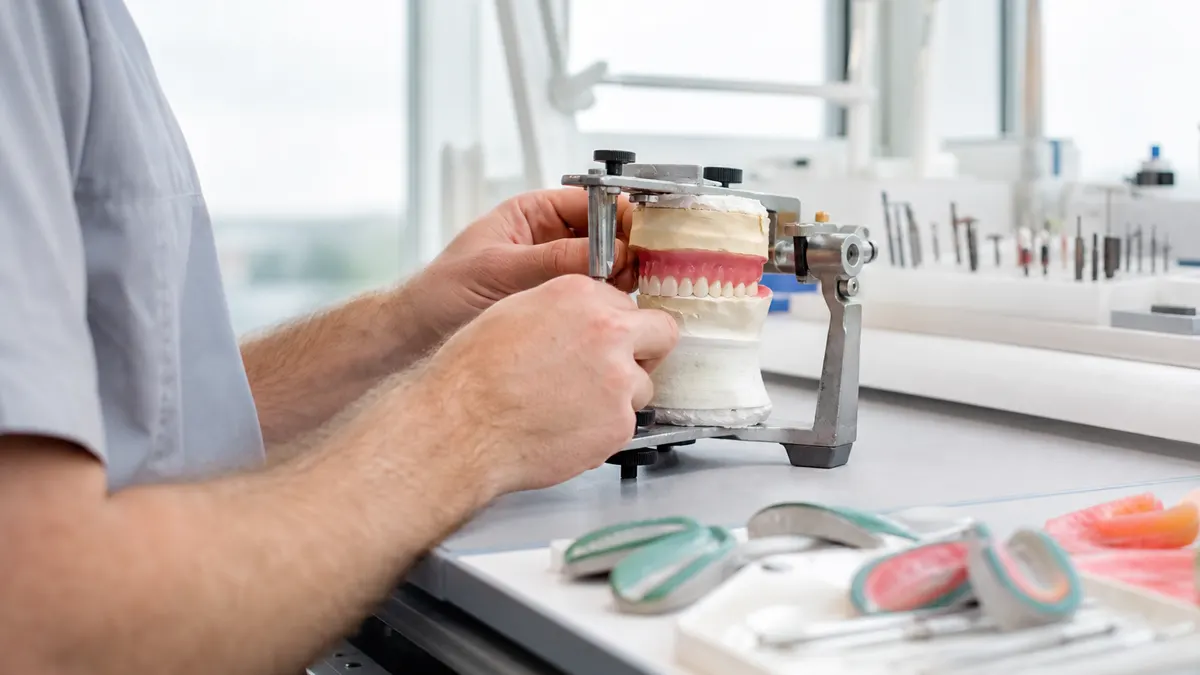
Dentures are removable appliances that replace missing teeth and some of the surrounding gum tissue. Full dentures replace every tooth in an arch. Partial dentures fill spaces between remaining teeth and usually stay in place with small clasps that attach to neighboring teeth.
People need dentures for many reasons, including advanced gum disease, extensive decay, injury, or teeth that cannot be saved. Leaving gaps untreated can affect chewing, speech, and the position of nearby teeth, which is why replacing missing teeth matters for oral health.
Your dentist decides whether dentures suit you by reviewing your remaining teeth, gums, jawbone, general health, and goals. Some patients also consider implant-supported dentures, which attach to dental implants placed in the jaw for added stability. If that sounds appealing, ask about permanent tooth replacement options during your consultation.
Step-by-Step Denture Procedure
The denture procedure follows a predictable order, although the timing differs from patient to patient.
Step 1: Initial Dental Consultation and Examination
Your first visit starts with a review of your medical and dental history and a full oral exam. X-rays or other imaging help the dentist evaluate your remaining teeth, gums, and jawbone. This is also when problems such as infection, decay, or gum disease are identified, since they should be addressed before dentures are made. A practice that provides experienced dental care in Richboro will explain your options, recommend a denture type, and answer your questions before treatment begins.
Step 2: Preparing the Mouth for Dentures
Some patients need teeth extracted before dentures can be made, and others need gum treatment or other care first. Not every damaged tooth has to go, though. Treatment for saving a damaged natural tooth, such as a root canal, may preserve a tooth that can still support a partial denture.
After extractions, the gums and underlying bone gradually change shape, so healing time is often needed before a conventional denture is made. Immediate dentures are an alternative. They are placed on the day teeth are removed so you are not without teeth during healing, but they usually need adjustments or relining as the tissues settle.
Patients with crowded or shifted natural teeth sometimes explore clear aligner treatment for straighter teeth before a partial denture, when the dentist feels it suits their situation.
Step 3: Taking Dental Impressions and Measurements
Impressions, taken with molds or digital scans, capture the shape of your gums and the tissues that will support the denture. The dentist also records your bite and jaw relationship, meaning how your upper and lower jaws meet and how far apart they rest. These records guide the dental lab so the finished dentures fit well, support your lips and cheeks naturally, and allow comfortable chewing and speaking.
Step 4: Creating and Customizing the Dentures
People often ask how dentures are made. In short, dental technicians use your impressions and bite records to build a denture base and set artificial teeth in it. You and your dentist choose the tooth shape, size, and shade so the result suits your face and any remaining natural teeth. Careful customization affects comfort and function as well as appearance.
Because denture teeth do not change color, patients who want brighter natural teeth should consider professional teeth whitening options before the shade is chosen.
Partial denture wearers with visible natural teeth sometimes ask about cosmetic options for enhancing your smile, such as veneers, so their natural and replacement teeth blend well.
Step 5: Denture Try-In and Adjustments
Many dentists schedule a try-in with the denture teeth set in a trial base, often wax. This is the time to check your bite, appearance, lip support, stability, and comfort. Changes are far easier to make now than after the final denture is processed, so your feedback matters. The dental team uses it to adjust the setup before finalizing.
The trial smile also shows how the new teeth sit beside your natural ones. If a chipped or uneven natural tooth stands out, your dentist may discuss cosmetic dental treatments for improving your smile, such as bonding.
Step 6: Final Denture Fitting and Placement
At the final fitting, the dentist checks how the denture sits, how your teeth meet, and how it feels, then makes any needed refinements. You will learn how to insert and remove the denture and how long to wear it at first. Expect an adjustment period. Dentures may feel bulky, you may notice extra saliva, and speech can sound different until your mouth adapts.
Step 7: Follow-Up Visits and Denture Adjustments
Follow-up visits matter because new dentures almost always need fine-tuning. Sore spots, looseness, and pressure points are common early on, and your dentist can adjust the fit to relieve them. As gums and bone change over time, a reline may be needed to restore a snug fit. Keep your scheduled visits even if things seem fine, since small fit problems are easier to correct early.
How Long Does the Denture Procedure Take?
The timeline depends on your oral health, the type of denture, and how your mouth heals. Conventional dentures usually take several appointments over a number of weeks. If teeth must be extracted, healing time is added before the final denture is made. Immediate dentures shorten the period without teeth, but they typically need more follow-up as the gums heal. Because every mouth is different, no one can promise a fixed duration. Your dentist can give a realistic estimate after your examination.
Is Getting Dentures Painful?
Taking impressions and trying in dentures is generally not painful, though it can feel awkward, and some patients notice a gag reflex. If teeth are removed, the area is numbed first, and soreness afterward is expected. During the adjustment period, gum tenderness and pressure spots are common. Dentists relieve these by adjusting the denture. Pain that persists, worsens, or comes with swelling or open sores should be examined rather than endured.
What to Expect During the First Few Weeks With Dentures
Getting dentures for the first time takes practice. For speaking, reading aloud and repeating tricky words helps your tongue and lips adapt. For eating, start with soft foods cut into small bites, chew on both sides at once, and add firmer foods gradually. Sticky, hard, or very tough foods are best avoided early on. Extra saliva, mild soreness, and a feeling of fullness are normal at first and usually ease as you adjust. If sore spots or looseness continue, contact your dentist rather than waiting it out.
How to Care for Your Dentures After Placement
Rinse your dentures after eating and clean them daily with a soft denture brush and a non-abrasive denture cleanser or mild soap. Handle them over a folded towel or a sink of water in case they slip. When they are out, keep them in water or a denture-soaking solution so they do not dry out or warp, and avoid hot water. Brush your gums, tongue, and any natural teeth every day. Many dentists advise removing dentures at night to rest the gums, but follow the guidance you receive for your case. Routine checkups let your dentist assess the fit and the health of your mouth.
Dentures vs. Dental Implants: Which Option Should You Consider?
Removable dentures and dental implants differ in stability, maintenance, treatment process, and cost. Conventional dentures usually involve a lower upfront cost and no surgery, but they can shift and may need periodic relines as the jaw changes. Implants replace the tooth root, which generally gives more stability, but they involve surgery, longer healing, and a higher upfront investment. Implant-supported dentures fall in between by anchoring a denture to implants. The right choice depends on your oral health, preferences, treatment goals, and budget. If you are weighing both paths, this article on comparing dental implants and dentures goes deeper.
When Should You Contact Your Dentist About Denture Problems?
Call your dentist if you have persistent pain, mouth sores that do not heal, dentures that feel loose, difficulty chewing, a change in fit, or a crack or chip. A poorly fitting denture can irritate tissue, so early attention helps. Avoid trying to adjust or repair dentures yourself with files or household glue, since this can damage the denture and your gums. Professional evaluation keeps small problems from growing.
Personalized Denture Care for a Comfortable, Natural-Looking Smile
The denture procedure typically involves an initial examination, any necessary dental preparation, impressions, custom denture fabrication, a try-in appointment, final fitting, and follow-up care. Each step is designed to ensure your dentures fit comfortably, function properly, and complement your natural appearance. Treatment timelines and results may vary depending on individual needs. If you are considering dentures, schedule a consultation with Miracle Dental in Richboro, PA, serving patients in Holland, Newtown, Southampton, Langhorne, and throughout Bucks County, to explore your options and understand what to expect at every stage.
Frequently Asked Questions
Conventional dentures often take several appointments: a consultation, impressions, a try-in, the final fitting, and follow-up visits. Extractions, gum treatment, or remakes can add visits. Your dentist can give a more accurate estimate after examining your mouth and reviewing your treatment plan.
Most people need several weeks to feel comfortable, though some take longer. Speaking and eating usually improve with practice and adjustments. Full dentures often take longer to adapt to than partials. If sore spots or looseness continue, schedule an adjustment rather than waiting.
Sometimes. Teeth that are severely decayed, loose, or damaged beyond repair may need extraction before dentures are made. Patients getting partial dentures often keep healthy natural teeth. Your dentist decides after examining your teeth, gums, and X-rays.
Not right away. Most patients begin with soft foods cut into small pieces and add firmer foods as comfort improves. Dentures generally chew with less force than natural teeth, so very sticky, hard, or tough foods may stay difficult. Your dentist can advise what to expect.
Dentures often last several years, commonly cited as roughly five to ten, but this depends on materials, care, and changes in your gums and jaw. Relines, adjustments, and regular checkups help maintain fit, and your dentist will tell you when a replacement is appropriate.
Yes. Immediate dentures are placed the same day teeth are removed, while conventional dentures are made after the gums have healed. Immediate dentures avoid a period without teeth, but they usually need more adjustments or relining as healing changes your gums.