
Dental implants have become one of the most trusted ways to replace missing teeth. Unlike removable options such as dentures, an implant is placed directly into the jawbone, giving patients a stable, natural-feeling replacement that supports both chewing function and appearance. Because implant placement involves a surgical procedure, it is a fair and common question to ask: are dental implants safe?
The short answer is yes. When a patient is properly evaluated, treatment is carefully planned, and the implant is placed by a qualified dental professional, implants carry a strong track record of safety and long-term success. As with any surgical procedure, outcomes depend on several factors, including a patient’s overall oral health, jawbone structure, and how closely post-operative instructions are followed. This guide covers what dental implants are, the safety considerations involved, and what patients can do to support a smooth, successful outcome.
What Are Dental Implants?
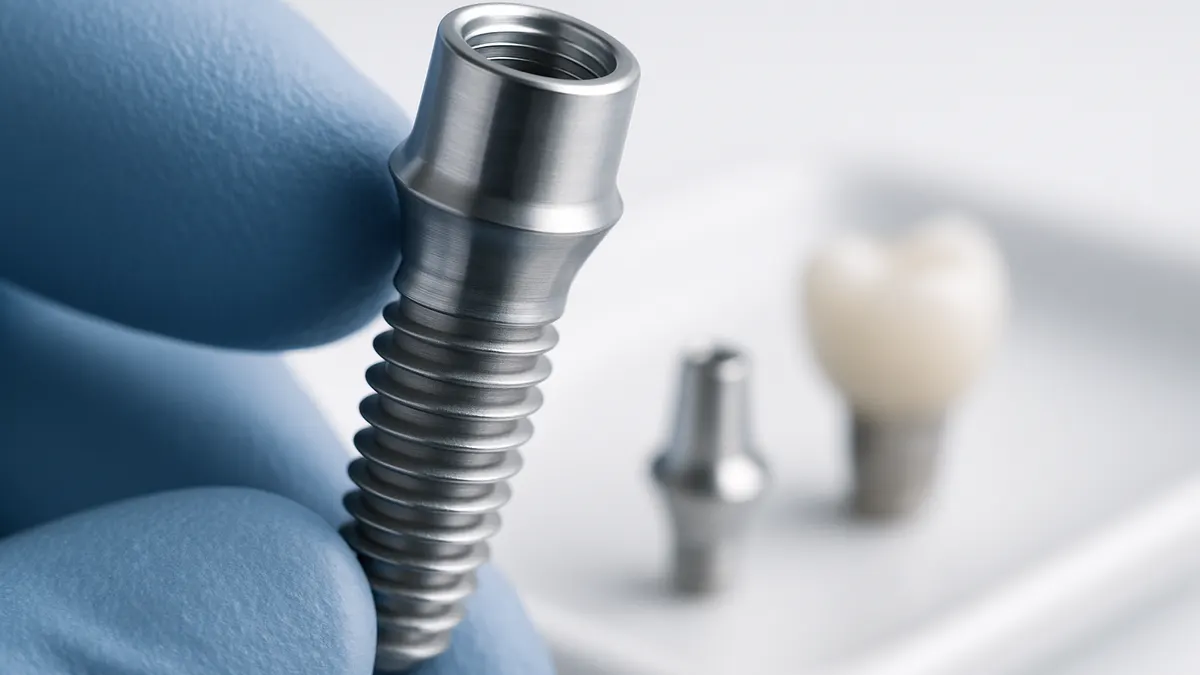
A dental implant replaces both the visible crown of a missing tooth and the root beneath the gumline. Each implant has three basic components: a titanium post that is placed into the jawbone, an abutment that connects the post to the restoration, and a crown, bridge, or denture that serves as the visible replacement tooth.
During placement, the titanium post is positioned into the jawbone, where it gradually fuses with the surrounding bone through a process called osseointegration. Once healing is complete, which typically takes a few months, the abutment and final restoration are attached, giving the patient a replacement tooth that looks, feels, and functions much like a natural one.
Are Dental Implants Safe?
Dental implants are generally considered a safe and effective tooth-replacement option, supported by decades of clinical use and ongoing advancements in implant materials and techniques. Titanium and titanium alloy implants are biocompatible, meaning the body rarely rejects them, and success rates for properly placed implants are consistently high.
That safety depends heavily on the process leading up to surgery. A thorough evaluation, including a review of medical history, oral health, and diagnostic imaging, allows a dentist to identify anything that could affect healing before treatment begins. Careful treatment planning and precise placement by an experienced provider are what separate a routine, predictable outcome from one that runs into avoidable complications.
Like any surgical procedure, implant placement does carry some risk. These risks are typically minor and manageable when a patient is properly screened and treated by a qualified professional, but it is worth understanding them before moving forward with treatment.
What Are the Benefits of Dental Implants?
- Restore chewing and speaking ability: because implants are anchored in the jawbone, they function much like natural teeth.
- Provide a stable, long-term replacement for missing teeth that does not shift or slip the way removable dentures can.
- Help preserve the jawbone: chewing forces transmitted through the implant stimulate the bone, helping to prevent the bone loss that often follows tooth loss.
- Look and feel more like natural teeth, since the restoration is custom-shaded and shaped to blend with the surrounding smile.
- Do not typically require reducing neighboring healthy teeth, unlike a traditional bridge, since implants stand independently.
Many patients pair implants with other cosmetic or restorative treatments as part of a broader plan. Our overview of what’s involved in a complete smile transformation walks through how implants can fit into that bigger picture.
What Are the Risks of Dental Implant Surgery?
As with any surgery, dental implant placement carries a small risk of complications. Most are minor, treatable, and become less likely with proper screening and an experienced surgical team. Possible complications include:
- Infection at the implant site, most often related to bacteria introduced during or after surgery.
- Swelling and discomfort in the days following placement, which is a normal part of healing but should improve steadily.
- Implant failure, where the post does not properly fuse with the jawbone.
- Nerve irritation or injury, particularly with implants placed in the lower jaw near major nerves.
- Sinus-related complications for certain upper-jaw implants placed near the sinus cavity.
- Bone loss around the implant, sometimes linked to gum disease or poor oral hygiene.
What Factors Affect Dental Implant Safety?
Several factors influence how safely and successfully an implant integrates with the jawbone:
- Overall oral health, including the condition of remaining teeth and any active decay.
- Gum health, since active gum disease can interfere with healing and long-term implant stability.
- Jawbone density and volume, which determine whether the implant has enough bone to anchor into.
- Smoking and tobacco use, which slow healing and increase the risk of implant failure.
- Oral hygiene, both before treatment and throughout the life of the implant.
- Existing medical considerations, such as uncontrolled diabetes or certain medications that affect healing.
- Proper implant placement and aftercare, guided by an experienced dental professional.
Patients with signs of gum disease are often advised to address it before implant surgery. Our guide on what to expect before and after treating gum disease explains how healthy gums support a stronger foundation for implants.
Who May Be a Good Candidate for Dental Implants?
Good candidates for dental implants generally include:
- Patients with one or more missing teeth.
- Patients with healthy gums or gum disease that is manageable and treatable.
- Patients with sufficient jawbone or those who are candidates for bone grafting.
- Patients who are able to maintain good oral hygiene throughout treatment and recovery.
Because every patient’s oral health and bone structure are different, an individual dental evaluation is necessary before recommending implants. A Dental implant specialist in Southampton can review your dental and medical history, take diagnostic imaging, and confirm whether implants are the right option for your smile.
How Safe Is Dental Implant Surgery?
Dental implant placement is typically performed as an outpatient procedure. The dentist prepares the implant site, places the titanium post into the jawbone, and closes the surgical area. Depending on the complexity of the case, a temporary restoration may be placed while the implant heals.
Patient comfort is a priority throughout the procedure. Local anesthesia is standard, and sedation options are often available for patients who feel anxious or are undergoing more extensive treatment. Most patients report that the procedure itself is far more comfortable than they expected.
Following pre- and post-operative instructions closely is one of the most important factors in a safe recovery. This includes guidance on eating, oral hygiene, activity level, and any prescribed medications. Skipping these instructions is one of the more common, and preventable, causes of complications.
Safety also starts before the day of surgery. The procedure is carefully planned using a comprehensive dental examination along with imaging such as X-rays or a 3D scan, which allows the dentist to map out bone density, nerve location, and the ideal placement for each implant.
How Long Do Dental Implants Last?
With proper care, dental implants can provide a long-term, often lifelong, tooth-replacement solution. The implant post itself is highly durable, while the crown or restoration on top may need replacement after many years of normal wear.
Longevity depends on factors such as oral hygiene, gum health, bone density, smoking status, and how consistently a patient attends dental checkups. Patients who care for their implants the way they would natural teeth tend to see the best long-term results.
Regular dental visits allow a dentist to monitor the implant, surrounding gum tissue, and bite alignment over time, catching minor issues before they become larger problems.
How Can You Reduce the Risk of Dental Implant Complications?
- Maintain good brushing and flossing habits around the implant and surrounding teeth.
- Attend regular dental checkups so your dentist can monitor healing and long-term stability.
- Follow post-surgery instructions closely, including any dietary or activity restrictions.
- Avoid smoking and tobacco products, which significantly slow healing and raise failure risk.
- Report unusual pain, swelling, bleeding, or other concerning symptoms to your dental professional promptly.
Consistent preventive care plays a major role in protecting your investment in implants. Our article on why preventive dental care saves time, money, and pain explains how staying ahead of small issues helps protect both natural teeth and dental work like implants.
When Should You Contact Your Dentist After Implant Surgery?
Most healing after implant surgery is straightforward, but it is important to know which symptoms warrant a call to your dentist. Contact your dental provider if you notice:
- Persistent or worsening pain that does not improve with time.
- Significant swelling, especially if it increases after the first few days.
- Continued bleeding beyond what is expected in the initial recovery period.
- Signs of infection, such as fever, pus, or a foul taste near the implant site.
- A loose implant or restoration.
- Numbness or unusual sensations in the lips, chin, tongue, or gums.
- Any unexpected symptoms during recovery that cause concern.
Trust Miracle Dental Center for Safe, Expert Implant Care
Dental implants have earned their reputation as a safe, reliable way to replace missing teeth, and that safety comes down to preparation, precision, and the experience of the team behind your care. From your first evaluation through final restoration and every checkup after, working with a skilled, attentive provider is what turns a good candidate into a successful, long-lasting result.
Miracle Dental Center provides dental implant consultations, placement, and aftercare for patients throughout Feasterville, Richboro, Holland, Langhorne, and Newtown. Dr. Irina Frolov and Dr. Alex Tyurin combine thorough diagnostic planning with a gentle, patient-first approach, so every implant is placed with your comfort and long-term oral health in mind.
If you are missing one or more teeth and want to know whether implants are the right, safe solution for your smile, scheduling a consultation with our team is the best place to start.
Frequently Asked Questions
Yes. Most healthy adults with sufficient jawbone, or those who qualify for bone grafting, are good candidates for dental implants. A dental evaluation confirms whether implants are a safe option for your specific situation.
Potential risks include infection, swelling, implant failure, nerve irritation, sinus complications for upper-jaw implants, and bone loss around the implant. These risks are uncommon and are minimized through proper evaluation, planning, and aftercare.
Serious health problems from dental implants are rare. Titanium implants are biocompatible and well tolerated by most patients. Any complications that do occur are typically localized to the implant site and treatable when addressed promptly.
Dental implants have a high success rate. Failure is uncommon and is most often linked to factors such as smoking, uncontrolled gum disease, insufficient bone density, or not following aftercare instructions.
Both are safe, well-established options. Implants offer greater stability since they are anchored in the jawbone, while dentures are removable and do not require surgery. The right choice depends on individual oral health, bone structure, and personal preference.
Local anesthesia keeps patients comfortable during the procedure, and many describe it as less uncomfortable than expected. Mild soreness and swelling afterward are normal and typically managed with over-the-counter or prescribed pain relief.
Initial healing typically takes about one to two weeks, while full integration of the implant with the jawbone can take a few months. Recovery time varies based on the number of implants placed and individual healing factors.
Good oral hygiene, regular dental checkups, following post-surgery instructions, and avoiding smoking all support a safe recovery and long-term implant success.