
A bright, white smile is one of the most common aesthetic goals for people across the country — and it’s no surprise that teeth whitening is one of the most searched dental topics online. But with so many products flooding drugstore shelves and home remedies circulating on social media, it can be hard to know what’s actually safe and effective.
This guide breaks down the most reliable at-home whitening methods, sets realistic expectations, and explains when it makes more sense to see a professional. Whether you’re preparing for a big event or simply want to freshen up your smile, understanding your options is the first step toward real results.
Why Do Teeth Turn Yellow in the First Place?
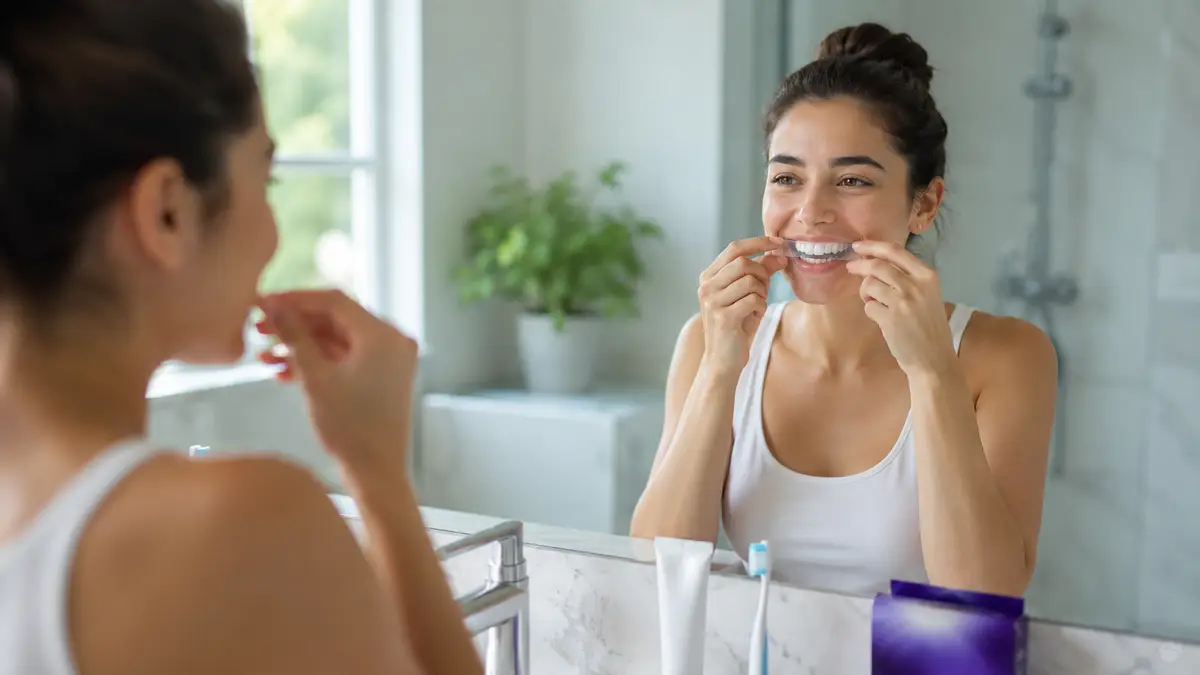
Before reaching for a whitening kit, it helps to understand what’s actually causing the discoloration. Tooth staining generally falls into two categories:
- Extrinsic stains: Surface-level discoloration from coffee, tea, red wine, tobacco, and certain foods that cling to tooth enamel.
- Intrinsic stains: Deeper discoloration within the tooth structure, often caused by aging, certain medications (like tetracycline), trauma, or excessive fluoride exposure during development.
Most at-home whitening methods work best on extrinsic stains. If you’ve noticed that your teeth have become dull or yellowed over time despite good brushing habits, it’s worth reading about how professional dental cleaning removes stained teeth and how it complements whitening efforts at home.
At-Home Teeth Whitening Methods That Actually Work
1. Whitening Strips
Over-the-counter whitening strips are among the most popular and well-researched options available. They contain hydrogen peroxide or carbamide peroxide as the active bleaching agent and are applied directly to the tooth surface for a set time each day over one to two weeks.
What to expect:
- Noticeable results within 1–2 weeks of consistent use
- Shades 2–5 lighter depending on the product strength and your natural tooth color
- Mild, temporary sensitivity is common — especially in the first few days
Look for strips with the ADA Seal of Acceptance for verified safety and effectiveness. If sensitivity becomes a concern, you may want to explore safer whitening approaches for people with enamel sensitivity before continuing.
2. Whitening Toothpaste
Whitening toothpastes use mild abrasives or low concentrations of hydrogen peroxide to lift surface stains during your regular brushing routine. They won’t dramatically change tooth shade on their own, but they’re an excellent maintenance tool — particularly after completing a whitening treatment.
For best results, pair a whitening toothpaste with a consistent preventative oral care routine that includes flossing and regular dental checkups.
3. Baking Soda Brushing
Baking soda (sodium bicarbonate) is a mild abrasive that gently scrubs away surface stains. It’s not just a folk remedy — clinical research supports it. Studies show that toothpastes containing baking soda are more effective at removing extrinsic stains than those without it. Used 2–3 times per week as a supplement to your regular toothpaste, baking soda can noticeably brighten teeth without damaging enamel when applied gently.
Just don’t overdo it. Daily abrasive scrubbing — with any product — can erode enamel over time.
4. Oil Pulling
Oil pulling — swishing coconut or sesame oil in your mouth for 15–20 minutes — is an ancient Ayurvedic practice that has gained renewed interest in recent years. While some users report a cleaner feeling and slight brightening, clinical evidence for significant whitening effects is limited. Think of it as a gentle oral hygiene supplement, not a replacement for proven methods.
5. At-Home Whitening Trays
Whitening trays hold a peroxide-based gel against your teeth for a set period. Store-bought generic trays offer an accessible option, but dentist-provided take-home trays use higher-concentration gels and custom-fitted molds — delivering significantly better results.
If you’ve already scheduled your routine dental cleaning and want to take things a step further, ask your dentist at Miracle Dental Center about professional take-home tray kits. They provide the convenience of at-home use with clinical-grade results.
6. Activated Charcoal — Use With Caution
Activated charcoal toothpaste has exploded in popularity on social media, but the dental community urges caution. While it may remove some surface stains in the short term, it’s highly abrasive and can erode enamel with repeated use — potentially making teeth appear more yellow over time and increasing sensitivity. If you want to try it, limit use to once a week at most, and never rely on it as a daily routine.
What Doesn’t Work (Despite What the Internet Says)
Not every trending home remedy delivers what it promises. Some popular options can actually damage your teeth:
- Lemon juice or apple cider vinegar: Both are highly acidic and will erode tooth enamel with repeated use, causing long-term damage far worse than any staining.
- Rubbing banana or orange peel: No verified clinical whitening effect beyond basic scrubbing.
- Undiluted hydrogen peroxide mouthwash: High concentrations can irritate gums and damage enamel. Store-bought products are formulated at safe levels — don’t DIY a stronger mix at home.
Your enamel doesn’t regenerate once it’s worn away. Protecting it should always come before chasing a quick cosmetic fix.
How to Make Your Whitening Results Last
Whitening your teeth is only half the equation — keeping them white is an ongoing effort. For a full breakdown, take a look at our dedicated guide on maintaining a brighter smile after whitening. The key daily habits include:
- Rinsing with water immediately after staining foods or beverages
- Using a straw when drinking coffee, tea, or soda
- Brushing twice daily with a whitening toothpaste
- Avoiding tobacco products, which are among the most aggressive causes of surface discoloration
- Scheduling regular dental checkups and professional cleanings to remove accumulated buildup
It’s also worth understanding how long whitening results typically last — and what factors affect their longevity — so you can plan your touch-up schedule accordingly.
When At-Home Whitening Isn’t Enough
At-home methods are genuinely effective for mild to moderate extrinsic staining, but they have real limitations. If your teeth are significantly discolored, have intrinsic staining, or if you’re aiming for a dramatic transformation, professional options deliver far better results in far less time.
At Miracle Dental Center, our cosmetic dentistry services go well beyond whitening:
- GLO™science professional whitening — a clinically proven, light-activated in-office treatment
- Dental veneers — ultra-thin porcelain shells that conceal deep stains and reshape the smile
- Dental bonding — an affordable, same-visit option for minor cosmetic corrections
Not sure which option fits your goals? Our cosmetic team can walk you through all smile enhancement options and recommend the most effective path based on your dental health and desired outcome.
Patients visiting us from Best Dentist services Newtown, PA and the surrounding area regularly ask about both cosmetic and advanced restorative procedures — and we’re proud to offer comprehensive care under one roof.
Serving Patients Across Bucks County and the Greater Philadelphia Area
Miracle Dental Center provides comprehensive cosmetic and general dental care to families and individuals throughout the region. We’re proud to serve patients from Levittown, Willow Grove, Langhorne, Holland, Richboro as well as all surrounding communities.
Whether you’re starting with an at-home whitening kit or ready to schedule a professional consultation, our team is here to guide you. Contact us today to book an appointment and take your first step toward a brighter, more confident smile.
Frequently Asked Questions About Whitening Teeth at Home
Most whitening strips and trays show visible results within 1–2 weeks of consistent use. Whitening toothpastes typically take 4–6 weeks of daily application. Results vary based on your starting tooth shade and the method used.
Yes — when used as directed, most ADA-approved whitening products are safe for healthy teeth and gums. Overuse or misuse, however, can cause enamel erosion or gum irritation. Always follow product instructions, and talk to your dentist if you experience significant or persistent sensitivity.
Whitening agents do not affect dental crowns, veneers, or bonding material. If you whiten your natural teeth while wearing restorations, a color mismatch may develop. Always consult your dentist before starting a whitening regimen if you have existing dental work.
Sensitivity after whitening is common and usually short-lived. Peroxide-based agents temporarily open tooth pores, which can irritate nerve endings. Using a sensitivity toothpaste before and after treatment, and spacing out your sessions, can significantly reduce discomfort.
A standard whitening course runs 1–2 weeks. After completing a cycle, most dentists recommend waiting 3–6 months before repeating a full treatment. Touch-up strips and whitening toothpaste can help maintain your shade between treatment rounds.
In-office whitening uses higher-concentration bleaching agents — often combined with light or heat activation — to deliver results several shades lighter in a single appointment. At-home methods are more gradual but effective for moderate staining. Many patients get the best outcome by combining both: professional treatment for the initial lift, followed by at-home maintenance.