
Tooth pain is never normal, and certain types of pain are your body’s way of signaling that something serious is happening inside the tooth. A root canal becomes necessary when the soft tissue inside your tooth — the pulp, which contains nerves and blood vessels — becomes infected or severely inflamed. Recognizing the warning signs early can mean the difference between saving the tooth and losing it.
Warning Sign 1: Severe, Persistent Tooth Pain
Not all toothaches indicate a root canal, but certain pain patterns should prompt immediate attention. Pain that is deep, throbbing, and persistent — rather than a brief sensitivity that passes quickly — often signals that the pulp inside the tooth is inflamed or infected. The pain may radiate to your jaw, ear, or temple. It may wake you up at night or intensify when you lie down. If you’re dealing with tooth pain that doesn’t resolve on its own within a day or two, contact Miracle Dental Center for an evaluation.
Warning Sign 2: Prolonged Sensitivity to Hot and Cold
Brief sensitivity when you sip hot coffee or eat ice cream is relatively common and not always concerning. But sensitivity that lingers — lasting thirty seconds or more after the hot or cold stimulus is removed — suggests that the nerve inside the tooth is damaged. This prolonged sensitivity is one of the most reliable indicators that endodontic therapy may be needed.
Warning Sign 3: Swollen, Tender Gums Near the Affected Tooth
When infection develops inside a tooth, it can spread to the surrounding tissue. Swollen gums near a specific tooth — particularly if the swelling is tender to the touch or accompanied by a small, pimple-like bump on the gum — may indicate a dental abscess. An abscess is a pocket of infection that forms at the tip of the tooth’s root, and it requires prompt treatment to prevent the infection from spreading to the jawbone or other areas.
Warning Sign 4: Darkening or Discoloration of the Tooth
A tooth that is noticeably darker than its neighbors may be experiencing internal damage. When the pulp tissue inside a tooth dies due to infection or trauma, it can cause the tooth to turn gray, dark yellow, or brown. This discoloration comes from within the tooth and won’t respond to teeth whitening treatments. If you’ve noticed a single tooth changing color, it’s important to have it evaluated promptly by Dr. Alex Tyurin.
Warning Sign 5: Pain When Biting Down or Touching the Tooth
If a specific tooth hurts when you bite down on food or when you press on it with your finger, this can indicate that the ligament around the tooth’s root is inflamed — often as a result of infection spreading from the pulp. This type of pain is distinct from general soreness and typically points to a specific tooth that needs attention.
What Happens During Root Canal Treatment
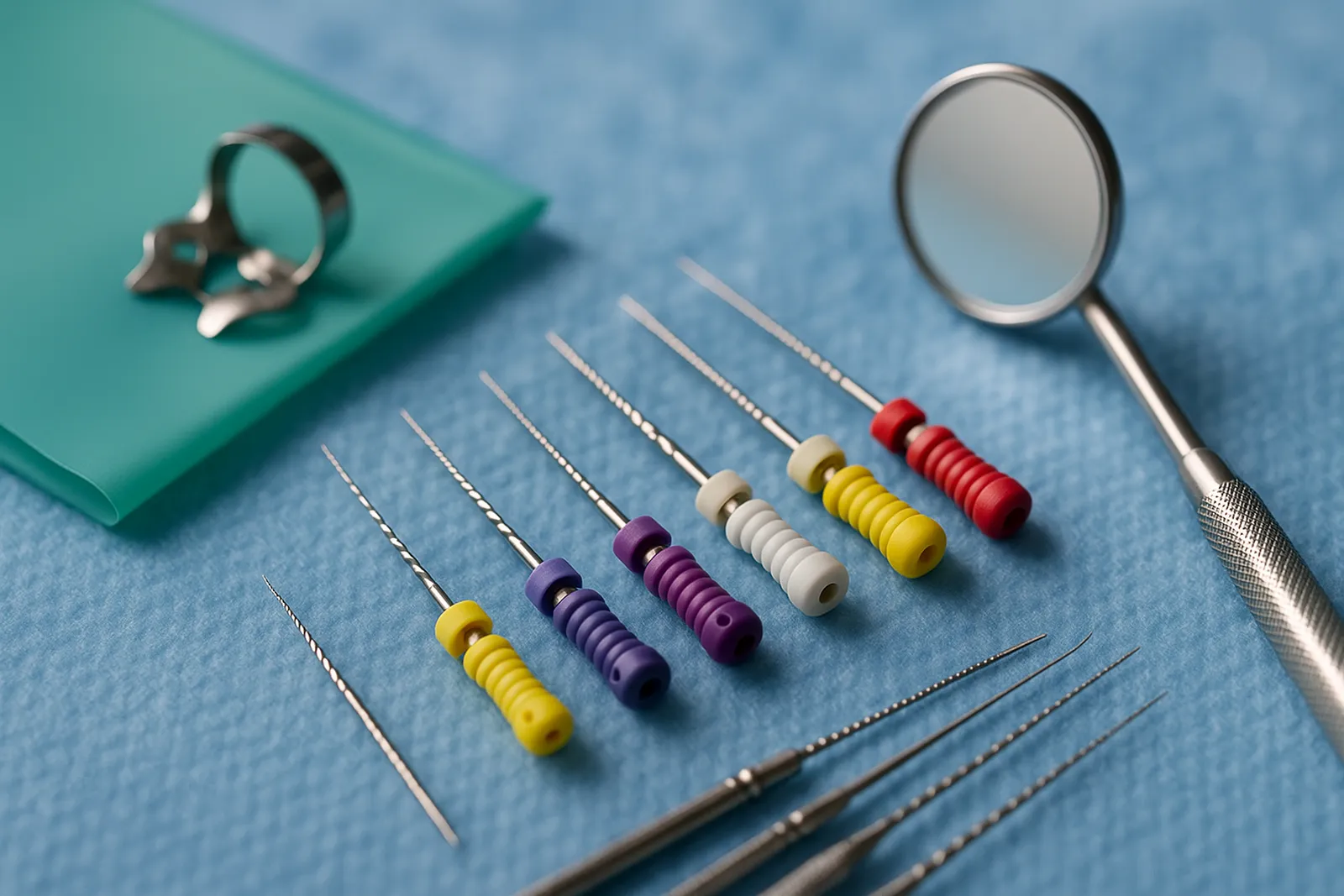
Modern root canal treatment at Miracle Dental Center is a comfortable, routine procedure. Dr. Alex Tyurin numbs the area with local anesthesia, creates a small access opening, removes the infected pulp tissue, cleans and disinfects the interior canals, fills them with a biocompatible material, and seals the tooth. A ceramic crown is then placed to restore the tooth’s strength and appearance. Most patients report that the procedure feels similar to getting a composite restoration and that the relief from pain is immediate.
If a previous root canal has failed or symptoms have returned, root canal retreatment may also be an option worth discussing with Dr. Tyurin.
Ready to Schedule?
Miracle Dental Center is ready to help you achieve the healthy, confident smile you deserve. Call us at (267) 990-8668 or visit to book your appointment today. We proudly serve patients from Feasterville-Trevose, Bensalem, Southampton, Langhorne, Huntingdon Valley, Newtown, and throughout Bucks County and Northeast Philadelphia.