
Everything You Should Know About Maintaining Healthy Gums
Healthy gums are important for maintaining your oral health overall as well as your confidence when you smile in the long run. Strong gums protect teeth, support bone structure, help prevent infection and inflammation.
Maintaining healthy gums involves consistent brushing and twice daily with soft bristles is recommended, a nutritious diet which is rich in vitamins C, calcium, and omega-3s, daily flossing, gentle gum massage, avoiding tobacco, and regular dental visits to prevent inflammation, bleeding, and other severe issues like heart disease.
Whether you’re looking for tips on how to care for gum health, prevention of gingivitis in Feasterville or improve gum hygiene, knowing the basics of keeping your gums healthy is a good practice towards good dental health.
Understanding Gum Health & Early Warnings
Gingivitis is the result of plaque control, managing bacteria and avoiding tartar accumulation. Early signs that your gums may be having problems usually begin subtly: redness, sore, sensitive or bleeding when you brush or floss.
You may also have persistent bad breath, receding gums, or soreness in some other form or another. Identifying these warnings helps reverse naturally gingivitis and reduce long term risks.
While home care is important, advanced support ensures increased protection. A Dentist in Feasterville can assess your gum health, give personalized dentist recommendations and detect problems before they escalate further.
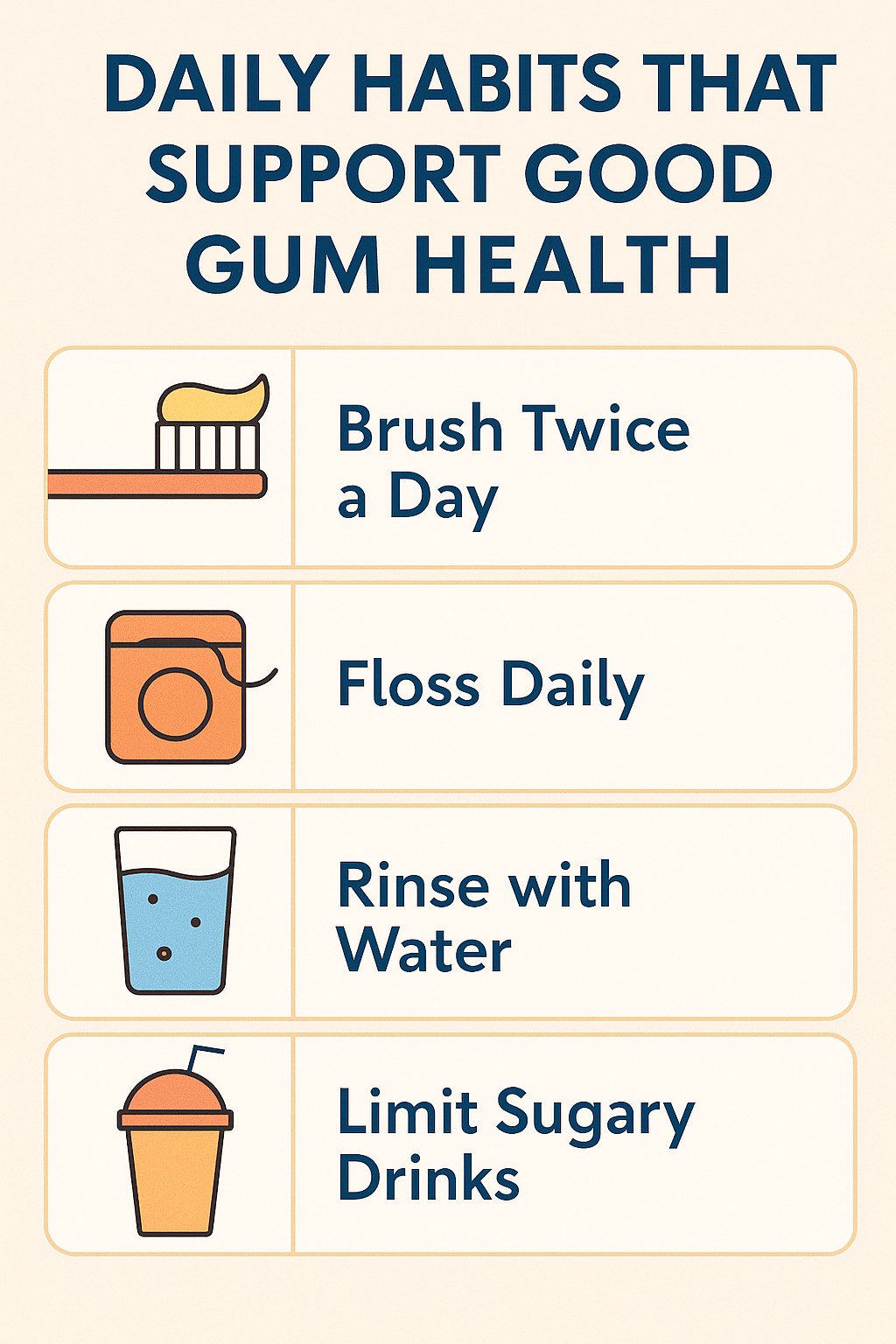
Daily Habits That Support Good Gum Health
A strong routine is essential to preventing gum disease. Here are key daily practices:
Brushing & Flossing Techniques
Gentle, thorough brushing twice daily removes plaque. Combining this regimen with daily flossing to reach those spots where brushes can’t get rid of harmful food particles maintains healthy gums and helps prevent bleeding gums at home.
Utilize an Antibacterial Mouthwash Daily
You can reduce harmful bacteria levels and contribute to improved gum hygiene by using one alcohol-free mouthwash.
Adopt a Gum Friendly Diet
Nourishing, gum-friendly diets help maintain the health of tissues in the mouth. Include crunchy vegetables, leafy greens, citrus fruits and items that nurture healthy tissues such as nuts and yogurt in your diet. Drinking more water also heightens natural saliva cleaning processe
Emphasize Tartar Prevention
Plaque can harden into tartar even with excellent home care. Consistent hygienic procedures and tips to maintain a good oral environment reduce build-up, enabling your tissues to remain inflamed and disease-free.
Professional Periodontal Cleanings and Deep Work
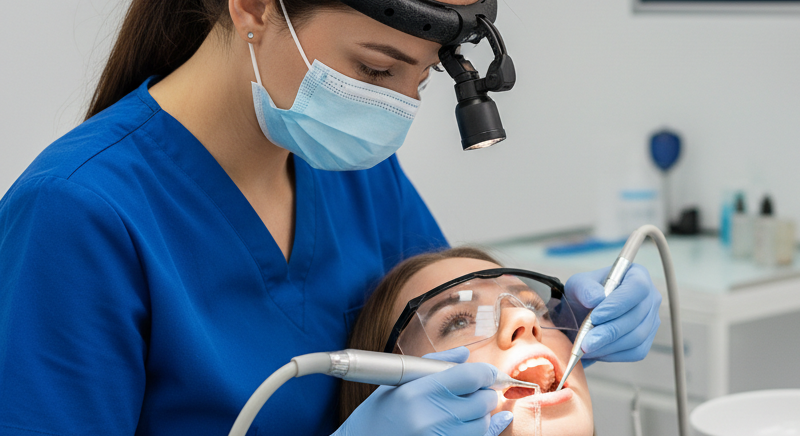
Your dentist can give expert professional gum cleanings during routine visits, manage any existing problems and recommend deep dental cleanings when the need arises. Patients with periodontal symptoms, chronic inflammation or advancing gingivitis need professional procedures like these.
Treatment for Bleeding Gums and Periodontitis Support
In providing early treatment for bleeding gums in Feasterville or overseeing continual periodontal maintenance, professional help can arrest problems before they become severe and preserve the structure of your gums.
What conditions are related to oral health?
Oral health isn’t just about teeth it affects your whole body. Conditions commonly linked to oral health problems include gum disease, tooth decay (cavities), bad breath (halitosis), and infections when oral hygiene is poor.
Poor oral health has been associated with
Heart and cardiovascular disease
Pneumonia
Complications in pregnancy
Problems with blood sugar control in diabetes
It is because harmful bacteria from the mouth can spread or cause inflammation in other parts of the body.
Tips for Healthy, Long-term Gum Care

Consistency is the key of all habits that help maintain good gum health. Here are more tricks to see your gums flourish over the length of time:
- Maintain the best oral hygiene routine for healthy gums, including regular checkups.
- Use carefully applied pressure in brushing so as not to injure tissues.
- Keep an eye out for shifts in conditions that could indicate an emerging issue.
- Follow daily tooth and gum health practices endorsed by your dentist.
- Through maintaining good habits, eating well and seeking timely dental help, you can support long-term gum wellness.
Take the First Step Toward Healthier Gums Today
Your journey to strong, healthy gums starts with expert guidance and Miracle Dental Care is here to help you every step of the way. Whether you’re concerned about early signs of gum disease, want personalized tips for healthier gums, or need professional cleaning, our team provides gentle, comprehensive care tailored to your needs.
Schedule an appointment by calling (267) 990-8668 and let us help you protect your smile with confidence.
FAQs
Early signs include redness, swelling, tenderness, and bleeding during brushing or flossing. You may also notice bad breath or slight gum recession, which often indicates early gingivitis.
Bleeding usually comes from plaque buildup causing inflammation and irritated gum tissue. It can also result from brushing too hard, inconsistent flossing, or vitamin deficiencies.
Floss once every day to effectively remove plaque between teeth and prevent inflammation. Daily flossing strengthens gum tissue and reduces your risk of gum disease.
Yes, gum disease can increase systemic inflammation and has been linked to heart disease, diabetes, and respiratory issues. Bacteria from infected gums can enter the bloodstream and impact overall health.
Leafy greens, citrus fruits, nuts, yogurt, and fatty fish help reduce inflammation and support gum tissue. Foods high in vitamins C, D, and antioxidants strengthen gums and promote healing.
Recession is caused by aggressive brushing, gum disease, genetics, and teeth grinding. Mild cases can improve with better care, but advanced recession may require professional treatment like grafting.