
Most people know they should get their teeth cleaned at least twice a year — but knowing and actually doing it are two different things. Life gets busy, dental anxiety kicks in, or it just feels like something easy to push off. After all, if nothing hurts, how bad can things really be?
The truth is that regular professional cleanings are one of the most powerful things you can do for your overall health — not just your smile. What happens during those 45-minute appointments goes well beyond a simple polish. And skipping them, even occasionally, can set off a chain of events that is far more complicated and expensive to fix down the road.
Here is what you need to know.
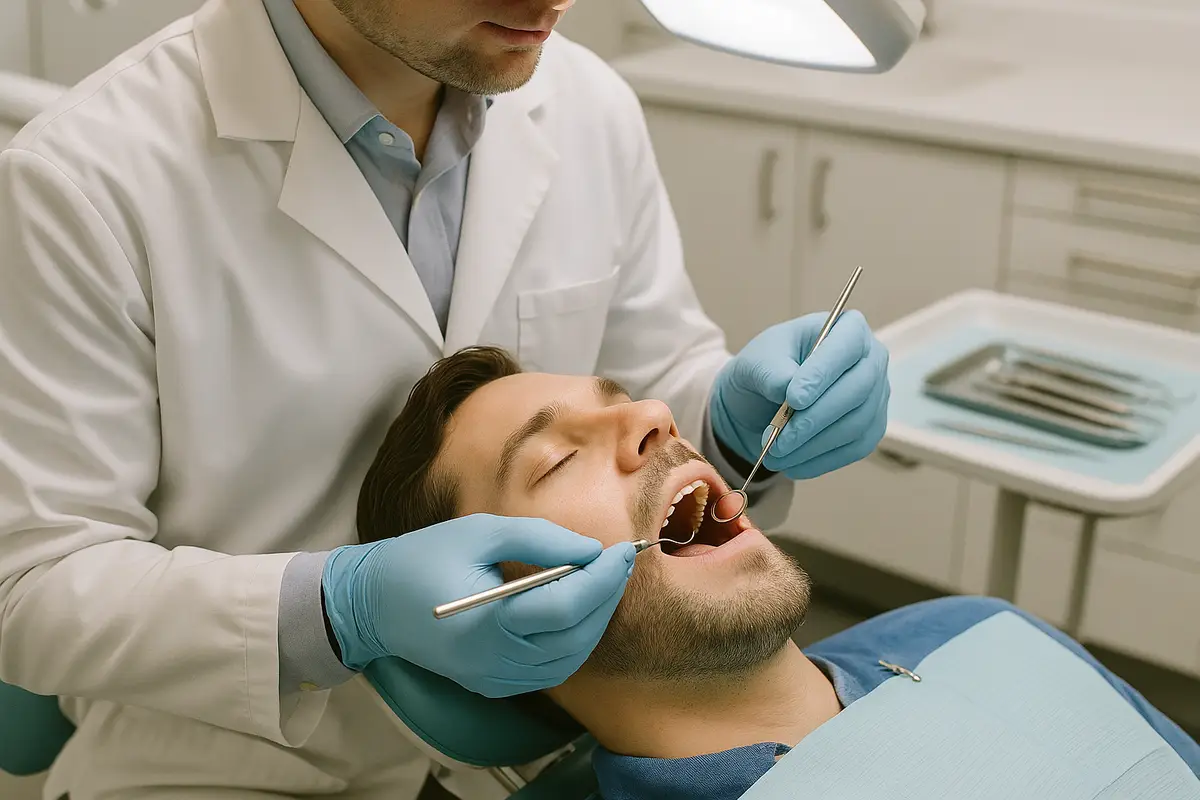
What Actually Happens During a Professional Dental Cleaning?
A professional cleaning is not just a fancier version of brushing at home. Your hygienist and dentist have access to tools, techniques, and angles that a regular toothbrush simply cannot replicate.
Here is a breakdown of what takes place:
- Plaque and tartar removal: Plaque is the sticky film that forms on your teeth daily. When it hardens into tartar (also called calculus), only professional instruments can remove it safely. Tartar buildup is one of the primary triggers for gum disease.
- Polishing: After scaling, the teeth are polished to remove surface stains and smooth the enamel, making it harder for plaque to cling.
- Gum assessment: The hygienist measures the depth of the pockets between your teeth and gums. Deeper pockets can indicate early gum disease.
- X-rays (when needed): These help detect issues hiding below the gum line or between teeth that are not visible to the naked eye.
- Oral cancer screening: During the exam, your dentist checks for unusual tissue changes that could signal serious health issues early on.
To understand the different types of cleanings and which one applies to your situation, visit Miracle Dental’s guide on routine and deep cleaning procedures.
Gum Disease: The Silent Threat You Might Not See Coming
Gum disease (periodontal disease) affects nearly half of adults over the age of 30 in the United States, yet many people have no idea they have it. That is because in its early stages, it rarely hurts.
Gum disease begins as gingivitis — redness, swelling, and occasional bleeding when you brush or floss. Without treatment, it progresses to periodontitis, where the infection spreads below the gum line and begins destroying the bone that supports your teeth.
The connection between gum disease and the rest of your body is well-documented. Research has linked untreated periodontal disease to:
- Heart disease and an increased risk of cardiovascular events;
- Diabetes complications and increased difficulty managing blood sugar levels;
- Respiratory infections, including acute pneumonia;
- Pregnancy complications, such as preterm birth and low birth weight;
- Cognitive decline and accelerated Alzheimer’s disease.
Regular cleanings are your first line of defense. When your dental team catches early gingivitis, a professional cleaning combined with improved home care is often all it takes to reverse the damage. Once it becomes periodontitis, treatment becomes much more involved — including scaling and root planing, which is a deeper procedure performed under local anesthesia.
How Cleanings Protect Your Teeth Long-Term
Beyond gum health, regular professional cleanings directly protect the integrity of your teeth in several important ways.
Cavity Prevention
Tartar buildup creates a rough surface where bacteria can hide and flourish. These bacteria produce acids that erode tooth enamel, leading to cavities. Removing tartar regularly breaks that cycle before it causes permanent damage.
Protecting Existing Dental Work
If you have fillings, crowns, or other restorations, cleanings help ensure those areas stay healthy and free of recurrent decay. Investing in restoration work without maintaining it through regular hygiene visits is a bit like patching a roof and never checking it again.
Tooth Loss Prevention
Advanced gum disease is one of the leading causes of adult tooth loss. When bone deteriorates around a tooth root, it eventually cannot remain stable. If you have experienced significant bone loss, tooth replacement options like dental implants become necessary — a much bigger commitment than a routine cleaning would have been.
How Often Should You Really Get Your Teeth Cleaned?
The standard recommendation of twice per year works well for most healthy adults with good oral hygiene habits. However, your ideal cleaning frequency depends on several individual factors.
You may need cleanings every three to four months if you:
- Have a history of gum disease or are currently managing it
- Are a smoker or use tobacco in any form
- Have diabetes or other systemic conditions that affect oral health
- Are undergoing cancer treatment
- Have a dry mouth condition, which reduces saliva’s natural protective effect
- Build up plaque and tartar more quickly than average
The best approach is to discuss your personal health history with your dentist. A one-size-fits-all schedule does not account for the wide variation in how different mouths behave. For a comprehensive look at what preventive dentistry includes beyond just cleanings, explore Miracle Dental’s preventive care services.
What Happens When You Skip Dental Cleanings?
Skipping one cleaning might not feel like a big deal. But over time, the consequences compound in ways that are difficult and costly to reverse.
Here is a realistic timeline of what can happen:
- 3–6 months: Tartar builds up in hard-to-reach areas. Mild inflammation may develop along the gum line.
- 6–12 months: Gingivitis may develop or worsen. Pockets between teeth and gums begin to deepen.
- 1–2 years: Gingivitis can progress to periodontitis. Bone loss may begin. Cavities can form in areas weakened by tartar accumulation.
- 2+ years: Significant bone loss, increased tooth mobility, and a much higher risk of losing teeth. Treatment becomes more invasive, time-consuming, and expensive.
The financial math is also worth considering. A professional cleaning costs a fraction of what fillings, crowns, root canals, or implants cost. Prevention is almost always the smarter investment.
Making the Most of Every Cleaning Appointment
Getting the most out of your dental visits means doing your part between appointments too. Here are a few habits that work in tandem with professional cleanings:
- Brush at least twice daily using a soft-bristled toothbrush and fluoride toothpaste;
- Floss once a day to remove plaque from between teeth where brushing cannot reach;
- Stay hydrated — water helps rinse away bacteria and food particles throughout the day;
- Limit sugary and acidic foods and beverages, especially between meals;
- Do not smoke — tobacco use dramatically increases your risk of gum disease and oral cancer;
- Replace your toothbrush or brush head every three months.
When you arrive for your appointment, bring a list of any medications you are taking and mention any changes in your health. Certain medications affect saliva production, and some systemic conditions can directly impact your gum tissue. Your dental team needs the full picture to give you the best care. To find a trusted local provider, visit Miracle Dental’s comprehensive dental care team serving the area.
Serving Patients Across the Greater Bucks & Montgomery County Area
Miracle Dental is proud to provide high-quality preventive dental care, including routine cleanings and comprehensive oral health services, to patients throughout the surrounding communities.
We welcome patients from Horsham, Ivyland, Langhorne, and all nearby neighborhoods. Whether you are due for a routine visit or have not been to the dentist in years, our team is here to help you get back on track — with zero judgment and plenty of support.
Call us today at (267) 990-8668 or schedule your appointment online to take the first step toward a healthier, brighter smile.