
If your dentist has told you it’s time to remove your wisdom teeth, you’re not alone. Most adults eventually need this procedure, since there’s rarely enough room in the modern jaw for a third set of molars to grow in properly. Understanding what actually happens before, during, and after wisdom teeth removal can make the whole experience far less intimidating. Here’s a clear, step-by-step look at the procedure so you can walk into your appointment feeling prepared.
What Are Wisdom Teeth and Why Do They Need to Be Removed?
Wisdom teeth, or third molars, are the last set of teeth to develop, typically emerging between ages 17 and 25. In many people, the jaw simply isn’t large enough to accommodate them, which causes the teeth to come in at an angle, get trapped beneath the gum line, or push against neighboring teeth.
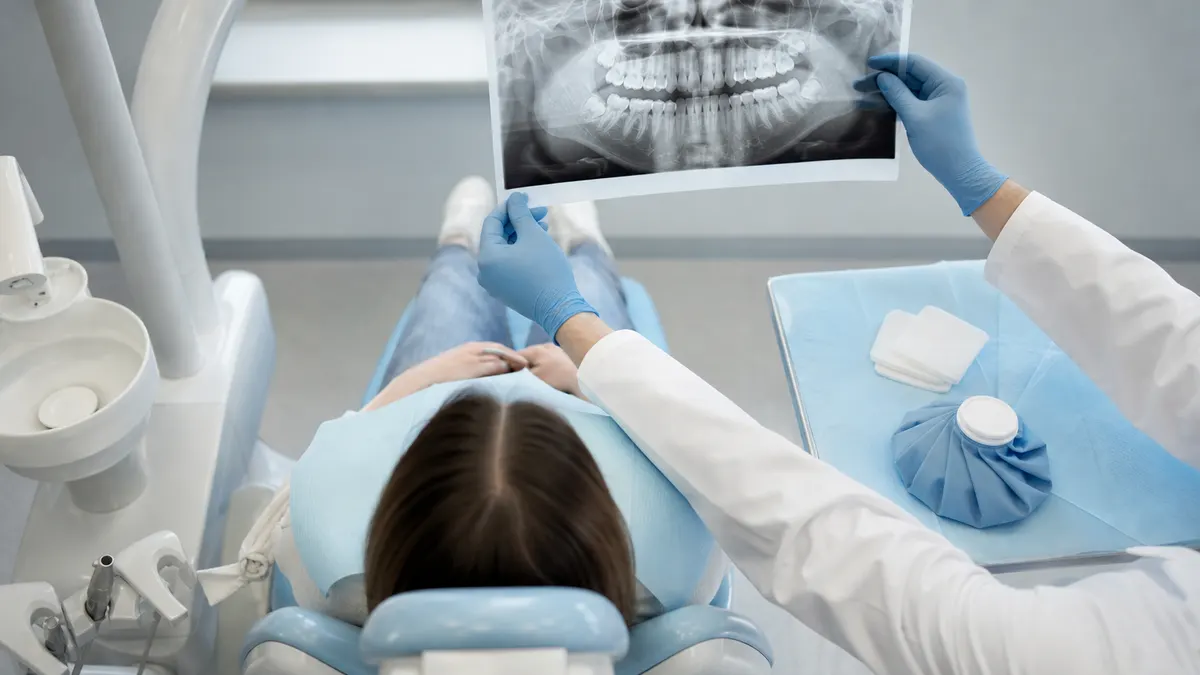
This condition, known as impaction, can lead to a range of problems if left untreated, including pain, swelling, infection, cysts, and damage to nearby teeth. Even wisdom teeth that emerge fully can be difficult to clean, making them more prone to cavities and gum disease. That’s why dentists often recommend removal proactively, before complications develop, rather than waiting for a problem to occur.
Signs You May Need Wisdom Teeth Removal
Not every case comes with obvious symptoms, which is why routine dental exams and X-rays are so important for catching issues early. That said, common warning signs include:
- Pain or tenderness at the back of the jaw
- Swollen or bleeding gums near the molars
- Persistent bad breath or an unpleasant taste
- Difficulty opening your mouth fully
- Crowding or shifting of nearby teeth
How to Prepare for Your Wisdom Teeth Removal
Before scheduling surgery, your dentist will take X-rays to evaluate the position, angle, and root structure of your wisdom teeth. This helps determine whether a simple extraction or a more involved surgical approach is needed.
During your consultation, you’ll also discuss anesthesia options, review your medical history, and get instructions on eating, drinking, and medication before the procedure. Most patients are advised to arrange a ride home afterward, since sedation can affect coordination and judgment for several hours.
The Wisdom Teeth Removal Procedure: Step by Step
Anesthesia and Sedation Options
Depending on the complexity of your case and your comfort level, your dentist may use local anesthesia, nitrous oxide (laughing gas), oral sedation, or IV sedation. Each option is chosen to keep you comfortable and pain-free throughout the appointment.
The Extraction Process
Once you’re comfortably numb or sedated, the dentist gently loosens the tooth from the surrounding bone and ligament. For impacted teeth, a small incision in the gum tissue may be needed, and the tooth is sometimes divided into smaller sections for easier removal. A straightforward extraction can take just a few minutes, while more complex impactions may take 20 to 40 minutes to complete.
Stitches and Immediate Aftercare
After the tooth is removed, the site may be closed with dissolvable stitches, and gauze is placed to control bleeding and encourage a stable blood clot to form. You’ll rest in the office briefly before heading home to begin recovery.
Recovery Timeline After Wisdom Teeth Removal
Healing progresses in stages, and most patients feel noticeably better within a week:
- Days 1–2: Swelling and discomfort peak, with rest, ice packs, and prescribed or over-the-counter pain relief recommended.
- Days 3–5: Swelling begins to subside and most people can return to light daily activities.
- Days 7–10: Soreness typically resolves and normal eating habits gradually resume.
- 2–3 weeks: Any remaining stiffness or minor tenderness usually fades completely.
Tips for a Smooth Recovery
- Stick to soft foods like yogurt, mashed potatoes, and smoothies for the first few days
- Avoid using straws, since suction can dislodge the healing blood clot and cause a painful dry socket
- Rinse gently with warm salt water starting a day or two after surgery
- Skip strenuous exercise and smoking until your dentist gives the green light
- Take medications exactly as directed and keep your follow-up appointment
Long-Term Oral Health After Wisdom Teeth Removal
Once your extraction sites have healed, most patients notice easier brushing and flossing in the back of the mouth, since there’s no longer a hard-to-reach molar trapping food and bacteria. To keep your results strong, stick with regular dental checkups and cleanings so your dentist can monitor healing and catch any new concerns early.
Frequently Asked Questions
The procedure itself is virtually painless thanks to anesthesia or sedation. Some soreness and swelling are normal for the first few days afterward, but this is well managed with pain medication and rest.
Most people feel significantly better within 3 to 5 days and are back to their normal routine within a week or two. Full healing of the gum tissue can take a few additional weeks.
Not right away. Stick to soft, cool foods for the first 24 to 48 hours, then gradually reintroduce firmer foods as chewing becomes comfortable again.
Not necessarily. Some patients have all four removed in a single visit for convenience, while others only need one or two extracted if the remaining teeth are healthy, properly positioned, and not causing problems.
Leaving impacted wisdom teeth untreated can lead to infection, cyst formation, crowding, and damage to neighboring teeth. Your dentist can help you weigh the risks based on your specific situation.
Costs vary based on how many teeth are removed and whether they’re impacted. Our team will walk you through pricing during your consultation and can discuss available financing options to help manage the cost.